How do we protect the sea?
The Red Sea is home to thousands of unique creatures – and it needs our protection. Every short visit we make to the sea affects it. By following a few simple rules, we can keep enjoying this magnificent natural wonder, and leave it that way for future generations too.
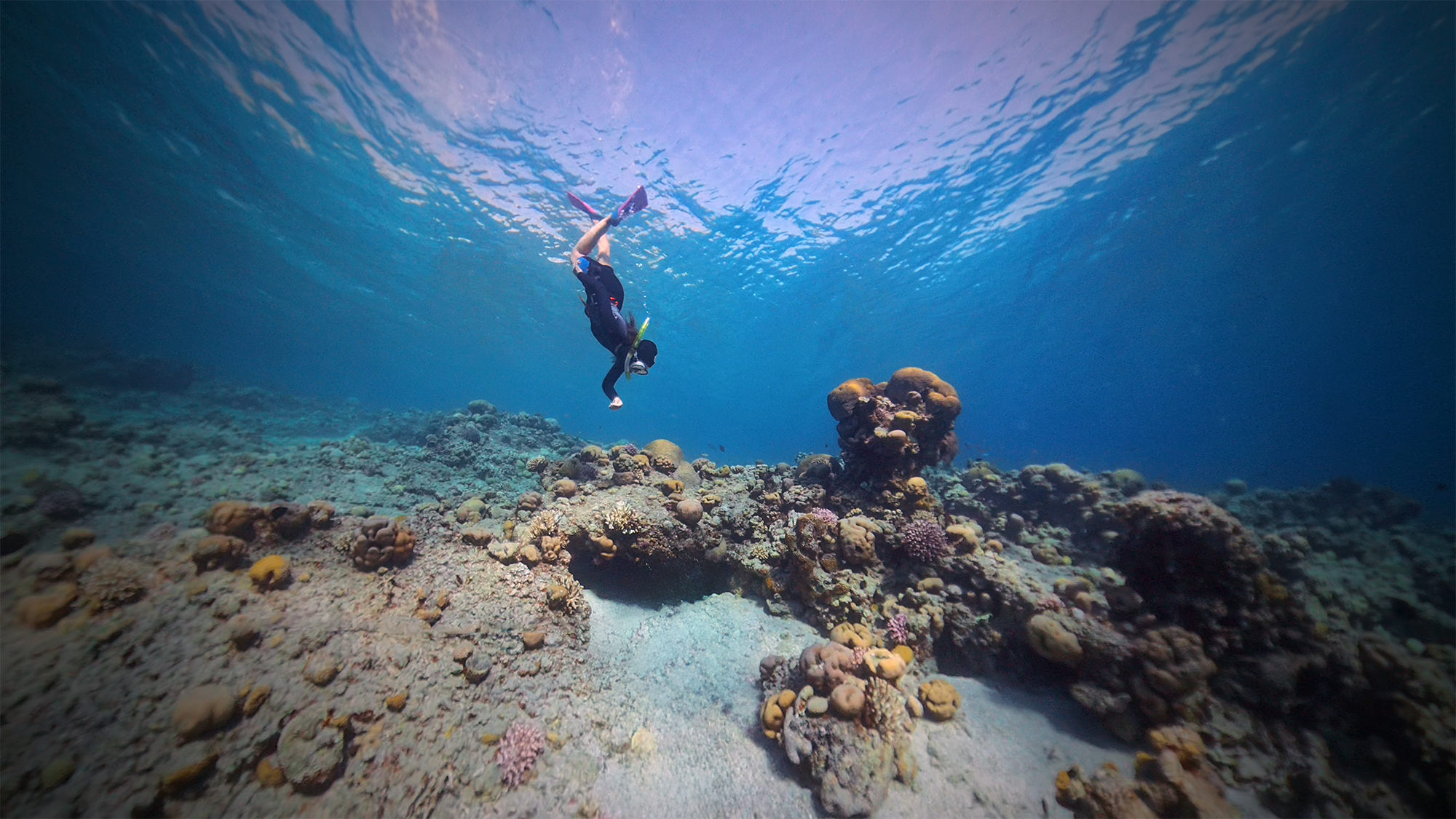
Don't touch marine life
Corals are slow-growing, sensitive living things – any touch or break can cause damage, even if you can't see it. Our hands can contaminate; some "rocks" may be venomous fish in disguise, and other animals become stressed from contact. Bottom line: avoid all contact with marine life. It's not only harmful – it can sometimes be dangerous.
01Seen damage to the reef? Report via the SeaWatch appKeep your distance and respect nature
You've entered the natural space of marine life – please behave respectfully. Any chasing, blocking or staging a photo stresses them and can disrupt their natural behavior. If an animal chooses to approach – you're lucky. If not – watch from a distance. Strong kicks, standing on the seabed or losing control stir up sand and harm other creatures. Coral isn't rock – a stray fin strike or leaning on it can break it. Try to move carefully, stay neutrally buoyant and stay aware of your surroundings.
02Use reef-friendly sunscreen
Most sunscreens contain chemicals like oxybenzone and nano-particles that harm corals and the water. Use reef-safe (mineral) sunscreen, or protect yourself from the sun with full-coverage swimwear.
03Don't feed the animals
Feeding fish and other animals can change natural behavior and attract opportunistic scavengers at the expense of the reef's natural web. In any case – our food doesn't belong in the sea. Leftover food pollutes the water and harms reef health. Bottom line: let nature do its job – it already feeds its creatures.
04Seen damage to the reef? Report via the SeaWatch appDon't leave anything behind
Anything that falls in – line, rubber bands, bags or empty cans – becomes a trap for animals, or slowly breaks down and harms the sea. Enter the water only with what you need, and bring everything back out. Want to do good? Go in with a bag for collecting waste attached to you, and leave the sea a bit cleaner after your visit!
05Seen waste or pollution in the water? Report via the SeaWatch app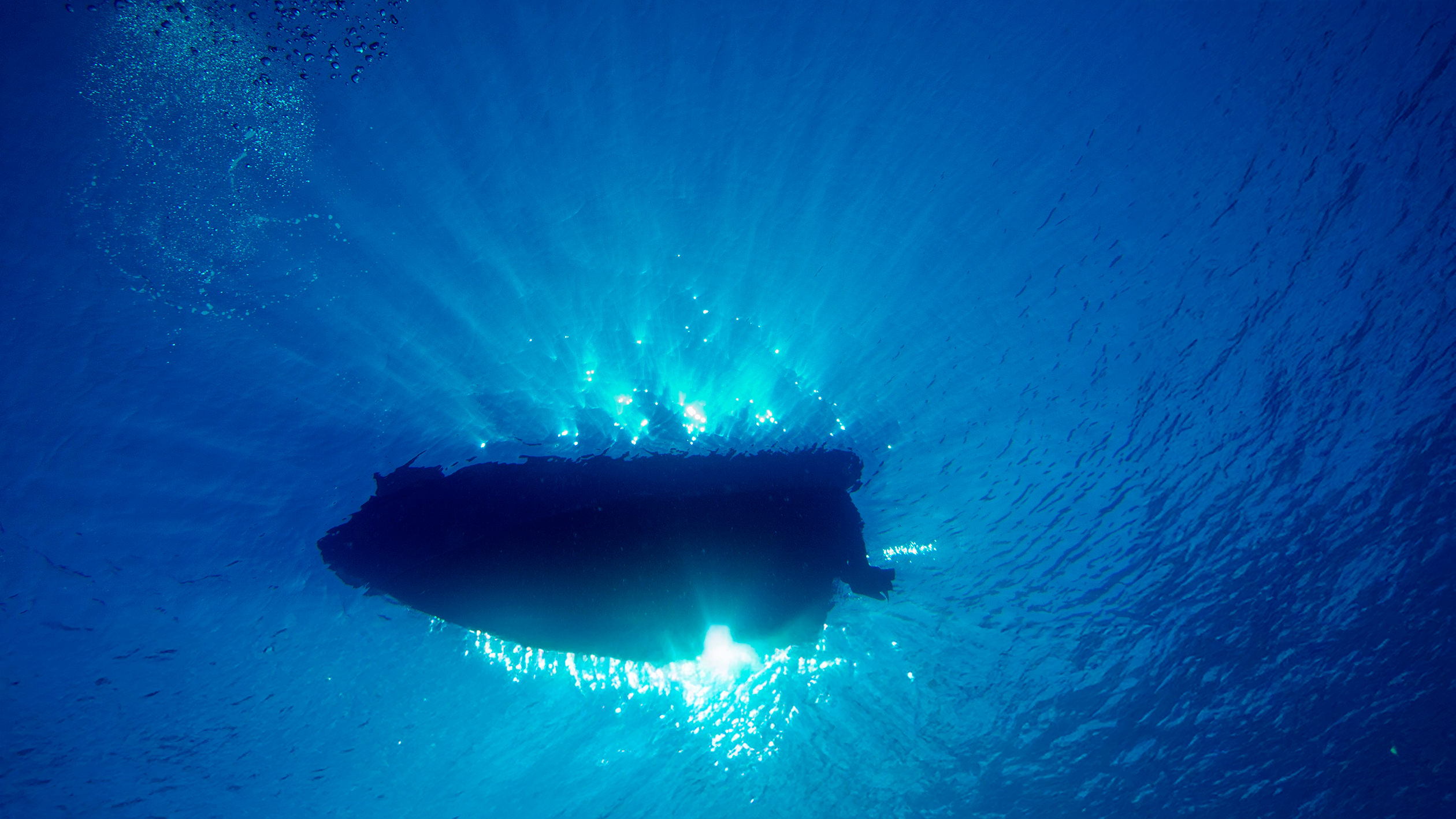
Avoid unnecessary light and noise
Many creatures in the Gulf of Eilat rely on natural light and darkness. Light only when you need to – and as little as possible. Avoid strong lights, projectors, green laser pointers, etc. Sound travels far underwater. High volume disturbs marine life – engines, horns, loud music and any strong noise in the water disturb animals and change their natural behavior. Prefer low volume and let the waves be your soundtrack.
01Everything you bring in – goes back with you
Leftover food, plastic bottles, cigarette butts and any trash or gear thrown in the water endangers animals, becomes traps, or slowly breaks down and harms the sea. The damage can be irreversible!
02Seen waste or pollution at sea? Report via the SeaWatch appTravel only in permitted areas
Vessels can damage coral reefs and endanger bathers. So travel only on permitted routes and stay away from the reef. Do not enter marine nature reserves or coral reef areas with motorized vessels. Using an anchor on reef or seagrass can harm them!
03Seen a motorized vessel near the reef? Report via the SeaWatch appDon't approach marine life
You've entered the natural space of marine life – please behave respectfully. Any chasing or blocking stresses them and can harm their natural behavior. If an animal chooses to approach – slow down, keep your distance and continue sailing calmly.
04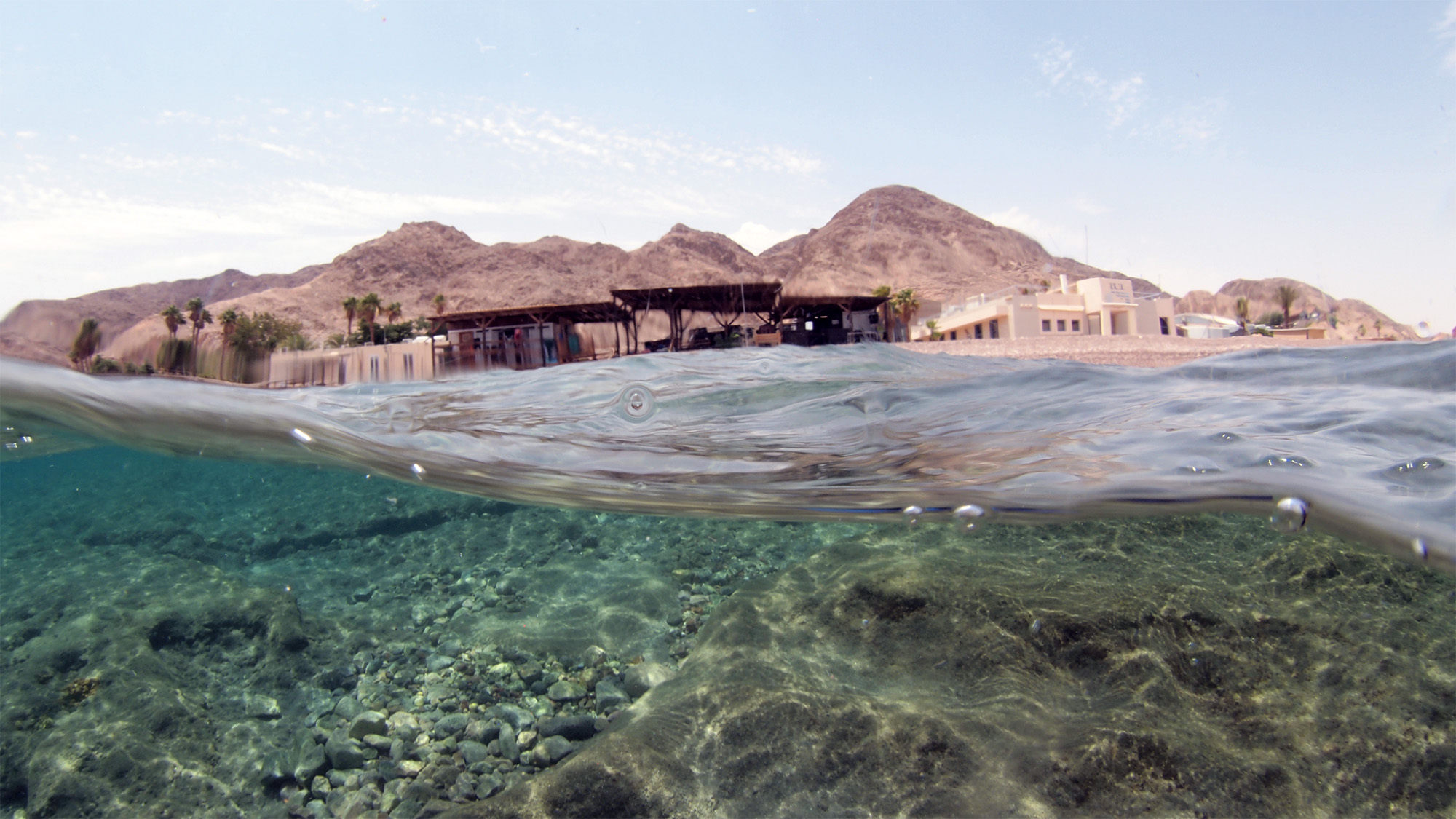
Leave the place clean
The beach isn't just a leisure area – it's an active habitat for countless creatures. Leftover food, plastic bottles, cigarette butts and forgotten gear endanger coastal and marine animals and wash into the sea with the waves. The harm to animals can be irreversible. Bottom line: everything you brought to the beach – goes home with you. Put waste in designated bins.
01Seen waste or pollution on the beach? Report via the SeaWatch appKeep your distance from animals
Birds, crabs, sea turtles and more are on the beach – even if you don't always see them. Approaching, feeding, trying to touch or chase them threatens them, disrupts natural behavior and can harm them. If you see an animal – keep your distance and let it continue its natural routine.
02Light and noise: only if you must – and at minimum
Many creatures in the Gulf of Eilat are active at night too and rely on natural light. Keep the beach as dark as naturally possible. Also avoid strong lights, projectors, green laser pointers, etc., and use dim light only when really needed.
High volume also disturbs marine life – engines, horns and any strong noise on the beach and in the water disturb animals and change their natural behavior. Prefer low volume and let nature be your soundtrack.
Vehicles – not allowed
Driving on the beach directly damages habitat, crushes small creatures, destroys nesting areas and changes the ground structure. Vehicles also endanger visitors. Driving within 100 meters of the waterline is illegal! Remember – the beach isn't a parking lot; only park in designated areas.
04Seen a vehicle on the beach? Report via the SeaWatch appNo open fires
Bonfires and open flames cause pollution and environmental damage, leave soot and dangerous charred waste on the beach, and can harm animals and cause fires. Bottom line: keep the grill elsewhere and enjoy the clean sea air.
05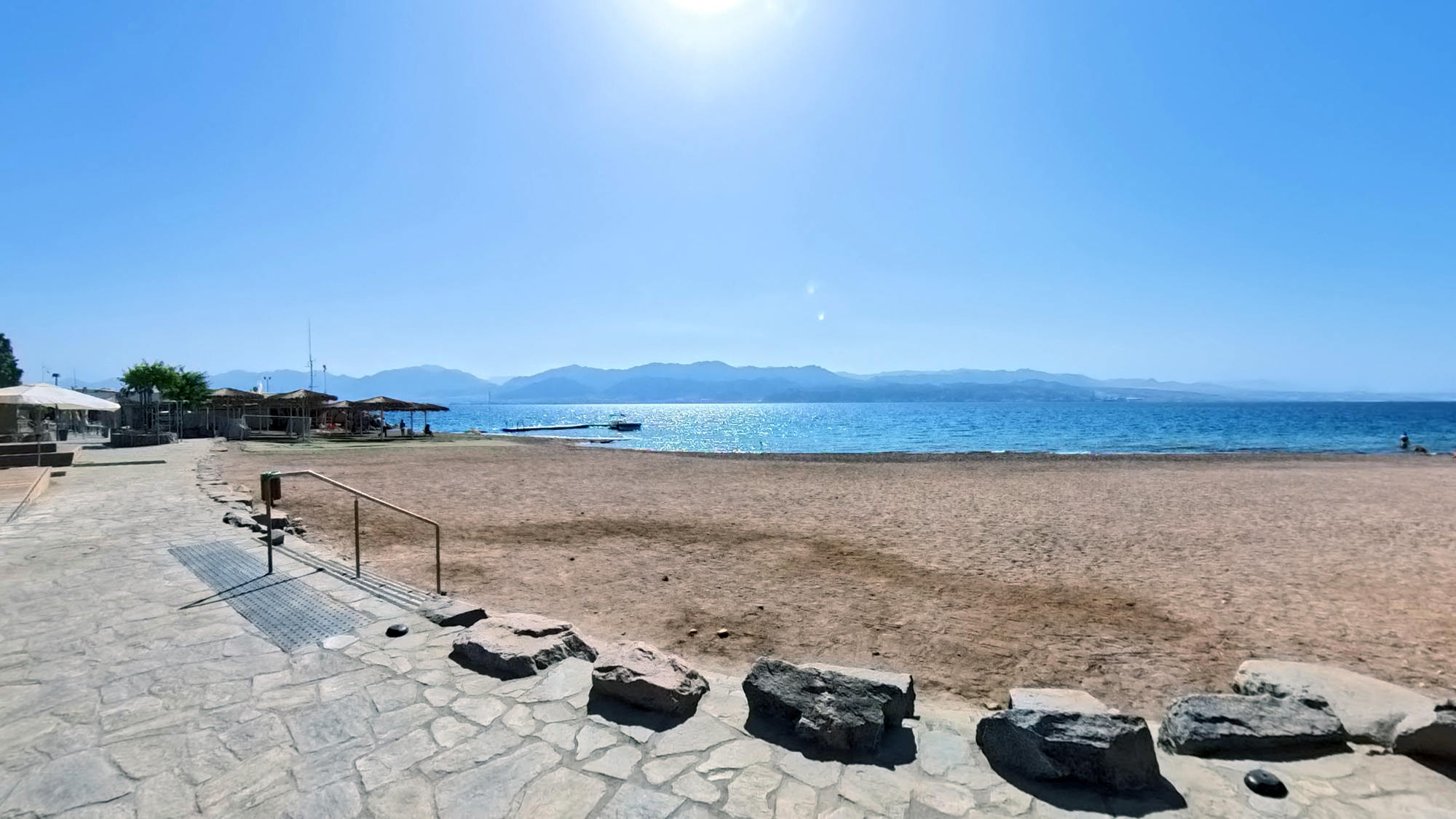
Prefer dishes that don't include food from the sea
Fishing isn't a sterile operation. Fishing gear harms creatures that aren't the target and causes bycatch – one of the most serious threats in the marine environment.
Fish and "seafood" from aquaculture are often fed fish meal sourced from wild fishing. Therefore we recommend considering and preferring dishes that don't include food from the sea.

Everyone can make an impact.
Donations
Every donation helps us to have more activity, more research, more hope for a healthy language.
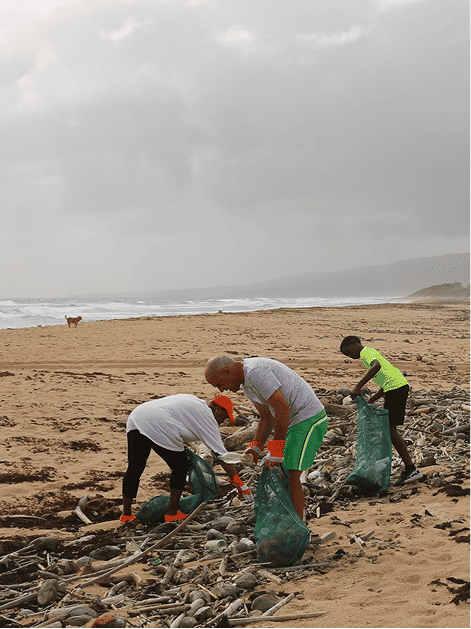
Initiatives and activities
Join volunteer activities, educational tours, and beach and sea cleanups. Together, we change reality – one step at a time.
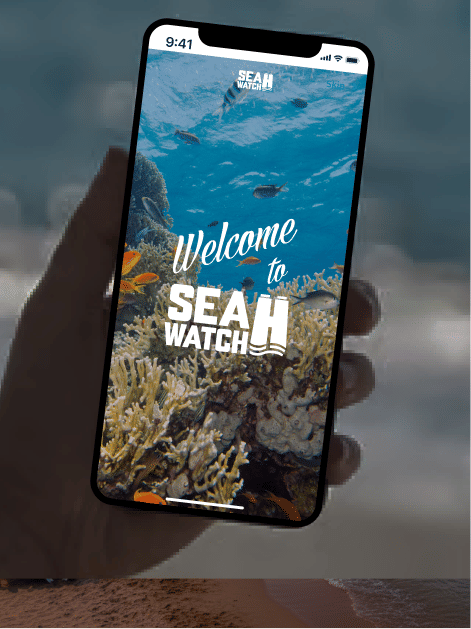
Sea Watch app
Report environmental hazards at sea, document marine wildlife observations, learn about nature reserves and more!