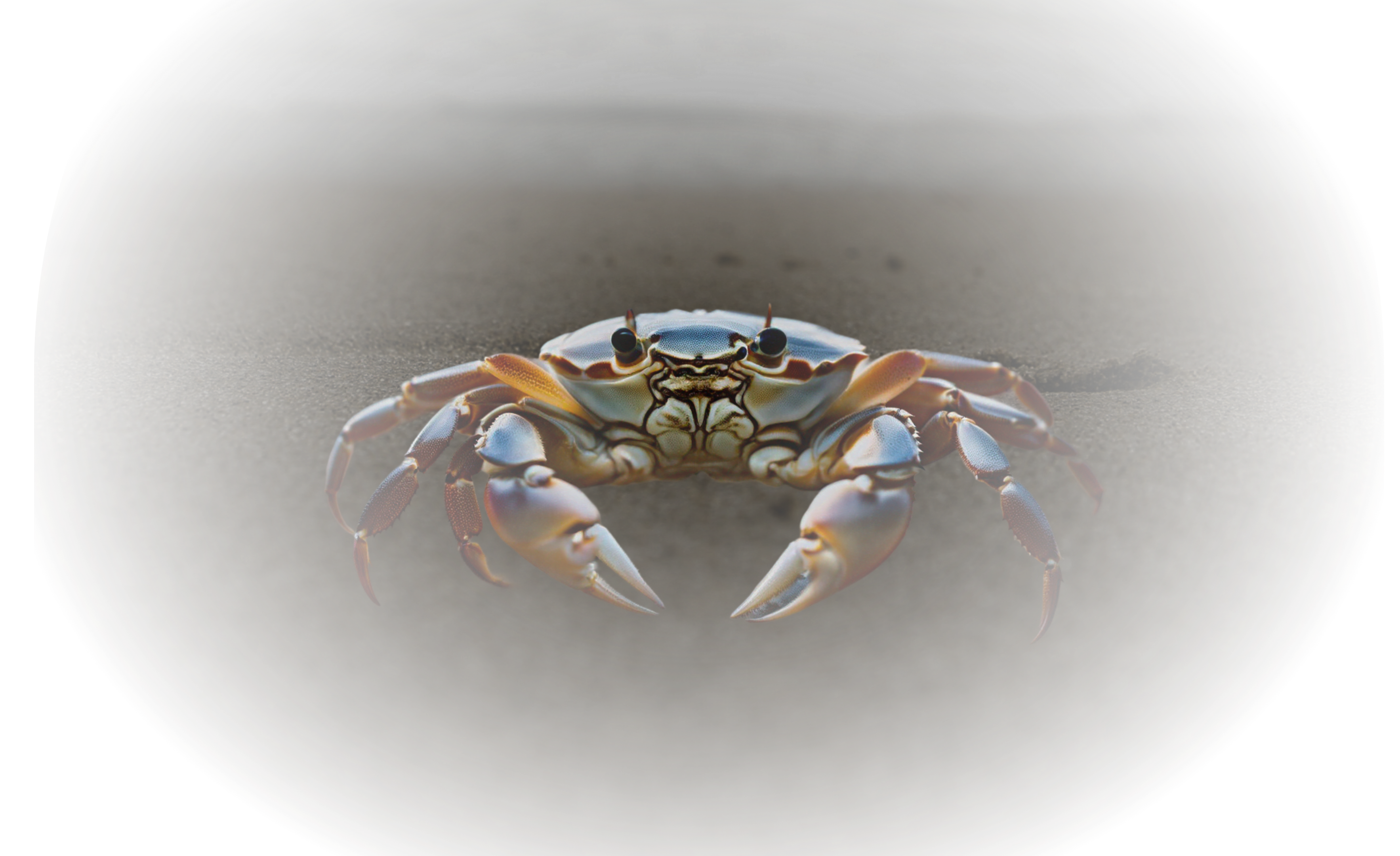
The Beach
Discover the meeting zone between sea and land—a fascinating place where marine and coastal life come together
Start scrolling
what?
The coastal habitat. You may already know the beaches of the Gulf of Eilat, but the rich, extraordinary world at visitors’ feet probably deserves an introduction. Eilat’s beaches vary widely in substrate and environmental conditions, and shore life must cope with tides, extreme swings—and human presence. Where? An 11 km stretch from the north near the Jordanian border (Aqaba) to the south near the Egyptian border (Taba).
where?
An 11 km stretch of coast from the north near the Jordanian border (Aqaba) to the south near the Egyptian border (Taba).
who?
Red Sea ghost crab, rockskipper blenny, barnacles, sea turtle hatchlings, mollusks, crabs, worms, and more.
What is it good for?
The shore is far more than a tourist draw for Eilat’s economy—its ecological role is huge. As the seam between sea and land it traps organic matter from the sea that becomes a buffet for shore life. It offers a home for sand burrowers or “stuck-to-the-rock” barnacles, and shelter for creatures whose lives straddle sea and land. For us land-dwellers, it is the most accessible slice of the marine world—where most people go—so it is a chance to meet fascinating nature without wetting your shirt!
Sands of hope
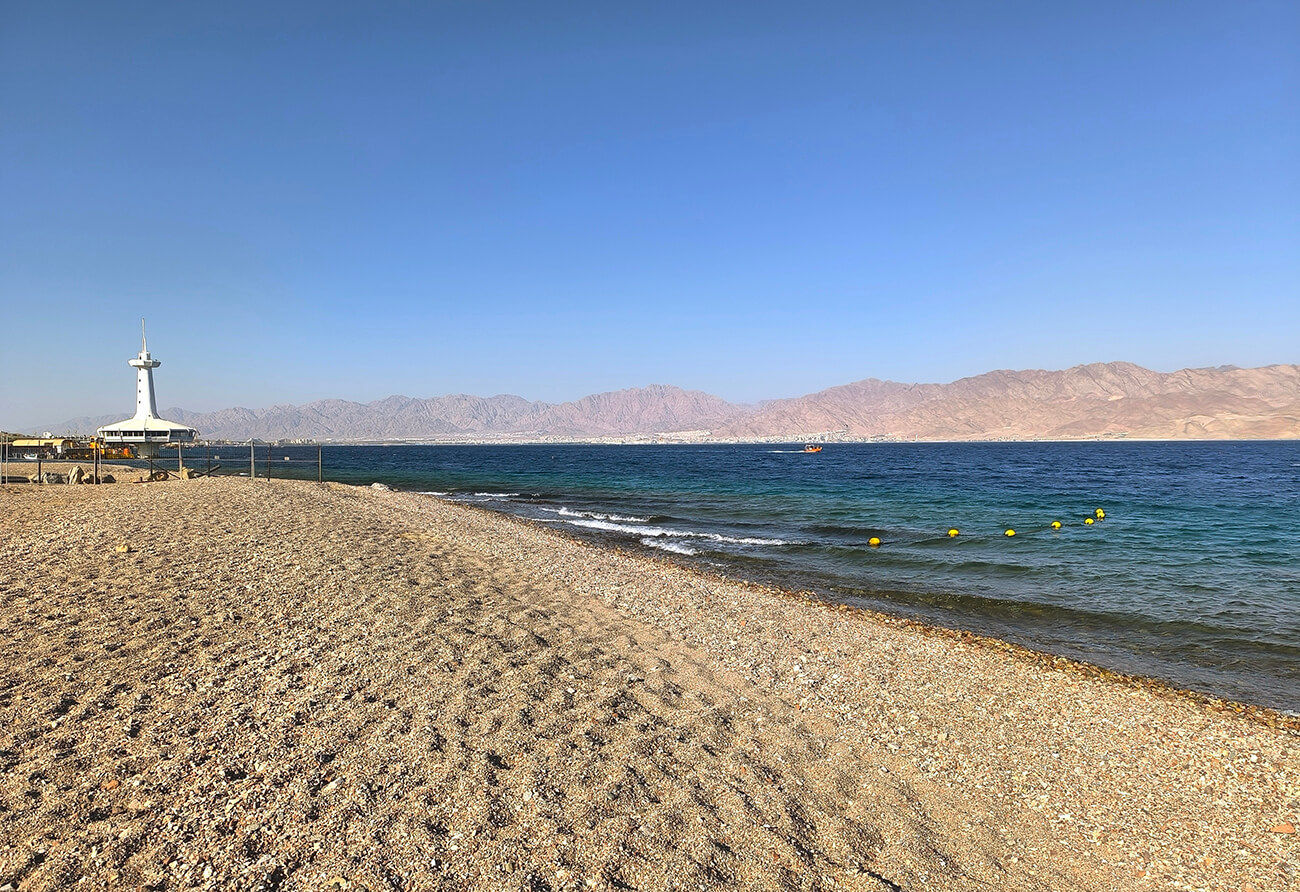
A yellow sun climbs the Edom Mountains. Eilat’s beaches stretch out, plastic chairs unfold, umbrellas open, and early birds are already on the sand or marking turf with a towel. The beach is still quiet, but the parallel world at ankle height has been awake for hours. A tiny fish hops from the water onto land, eyes the shore, and slips back. A hermit crab scales a rock hoping to scrape algae for breakfast. A gull comes to scout—if it misses a crab, maybe a mollusk. Faint trails score the soft ground. Hatchling sea turtles, barely a day old, took their first steps toward the sea last night by moonlight. A small step for a turtle—a giant leap into its new life.
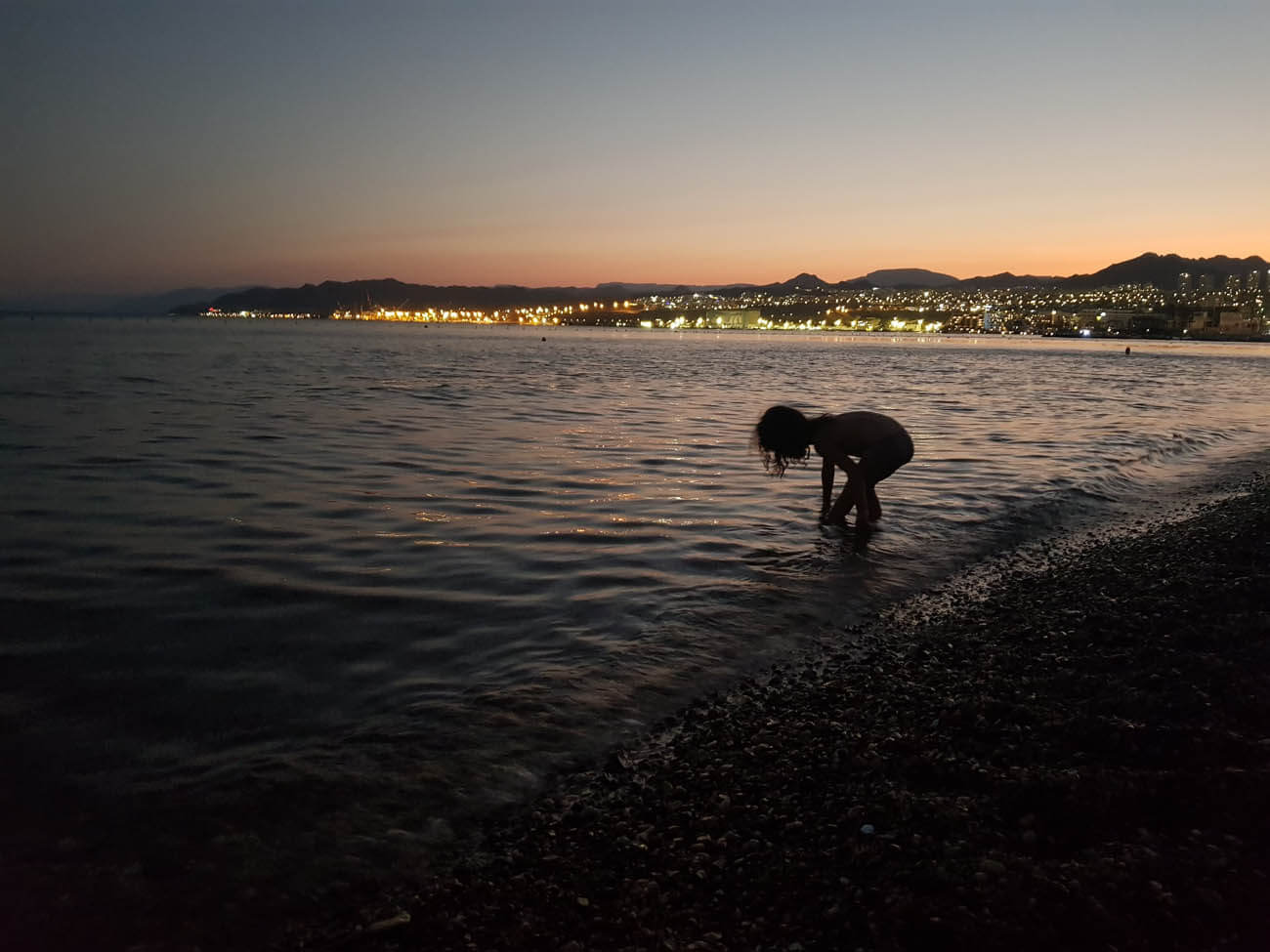
Welcome to the Gulf of Eilat’s shores, where sea meets land. It’s beautiful, easy to reach, and it works even if you are not a sea person. Who doesn’t come for sun or nature? But if you thought beaches were only plastic chairs, ice pops, and longing for a stream—think again: the life here, right by your flip-flops, beats any fantasy. The beach is not just a photogenic foyer to “the real thing”—it is a full, diverse ecological world, creative and resilient.
It is hard to speak of Gulf of Eilat beaches as one thing. They differ sharply in substrate—the ground you spread your towel on. Some are soft and sandy; some rocky, built from rock rubble and the skeletons of corals, clams, and snails that once lived here; some are in between. Very roughly, southern Eilat tends toward rocky shores, the north toward sand.
It’s beautiful, easy to reach, and it works even if you are not a sea person. Who doesn’t come to the beach for sun or nature? But if you thought beaches were only plastic chairs, ice pops, and longing for a river—think again: the life unfolding here, right by your flip-flops, is beyond imagination.

Sea, land
To complicate life further, shores are often sliced into bands by distance from the water and the pull of tides. Distance from the waterline matters—the snack stand at the beach entrance is nothing like the wet sand where kids dig a pool, right? Each band therefore hosts its own specialists. Where seawater never reaches, corals or sponges have no business; where waves hammer the shore, sand crabs or land lizards are out of place.
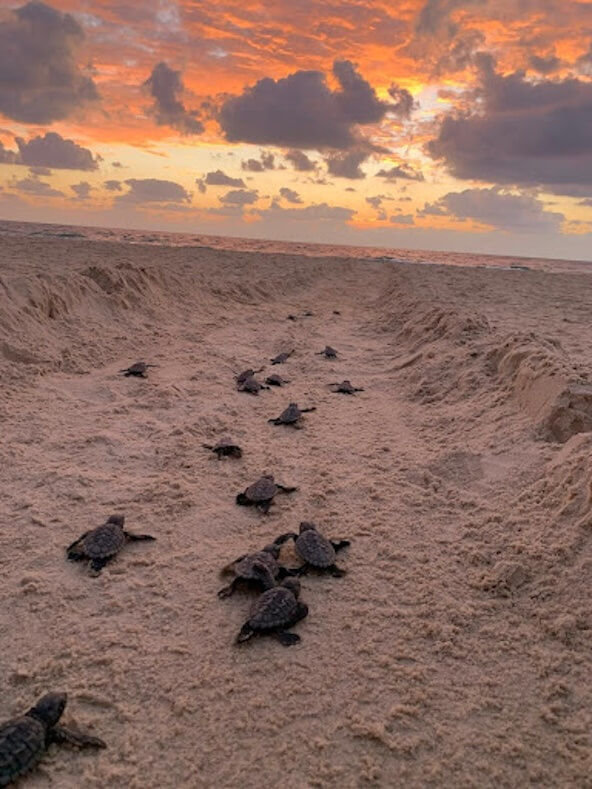
Begin with the supralittoral fringe—the band beyond tide reach, never flooded but still salted by spray. Life here faces blazing sun, brutal dryness, and desert winds. Salt spray drives salinity sky-high and fresh water is scarce—yet female sea turtles choose this harsh strip to dig nests and lay eggs not far from where they hatched: heritage is heritage. They are not permanent residents; evolution returned turtles to the open ocean, but eggs need air, so the sandy beach became the maternity ward.
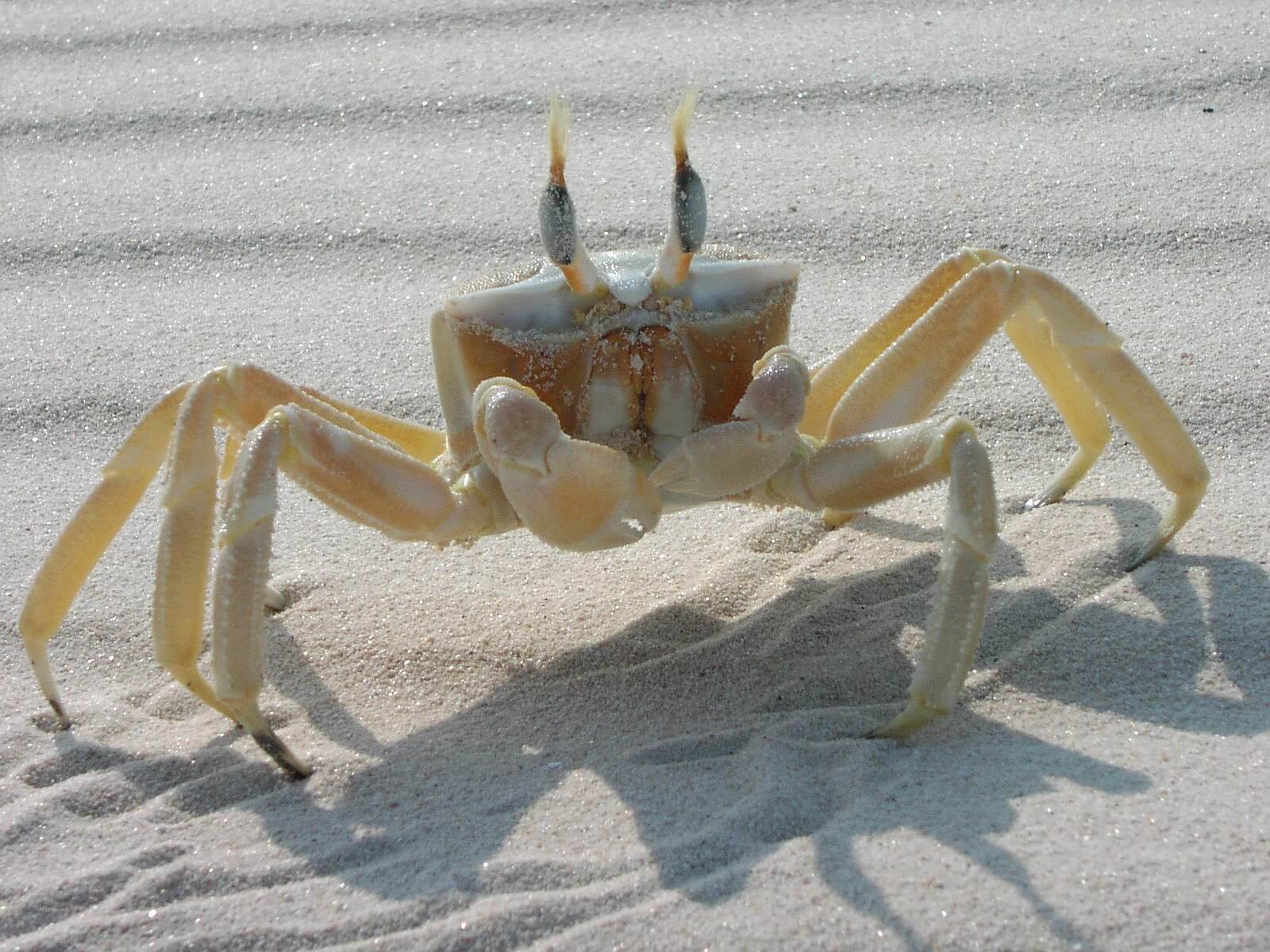
Honor to the turtles in their place—but king of the supralittoral sand at night is one restless crab found only on Red Sea shores, known in Israel as the “Red Sea ghost crab.” Its pencil-thin legs scuttle sideways; its eyes sit on stalks. The pencil tips anchored in the sand are an edge for sand-dwellers, as the stalks grant a wide view. By day the crabs stay in burrows dug down to a cool, moist layer that beats heat and glare. Like a certain national stereotype, the ghost crab rarely hauls away “construction waste,” so spoil heaps rise near the burrow. Some say the biggest mounds are meant to impress females—who doesn’t love a dirt pile? They forage along the sea–shore edge: carrion, algae, even sea turtle eggs.
We are largely why they vanished from public beaches—we trampled burrows, drove on the shore, replaced sand—and the last ghost crabs could only “enlist” with the navy. A population clings on in a closed naval zone on the northern shore near Jordan; no visitors means they can run and dig almost undisturbed—almost, because even there the military still shows up now and then.
"Survival—the splash zone"
Want action? Try the splash zone—the band between the highest high tide and the lowest low. By definition it is wave-battered—brutal to live in.
Picture yourself tiny by the sea: a ripple for us is a tsunami for you. Conditions flip fast—sometimes the sea explodes in surf, sometimes it pulls away and everything is dry and salt-crusted. In the desert-framed Gulf of Eilat, the sea–land contrast is fierce. Want contrast? Rock baking in the sun beside cool seawater can differ by about 35 °C.
Clearly not everyone can play “Survival—the splash zone,” so species diversity stays relatively low. How do you live here? Temporary housing is the norm.
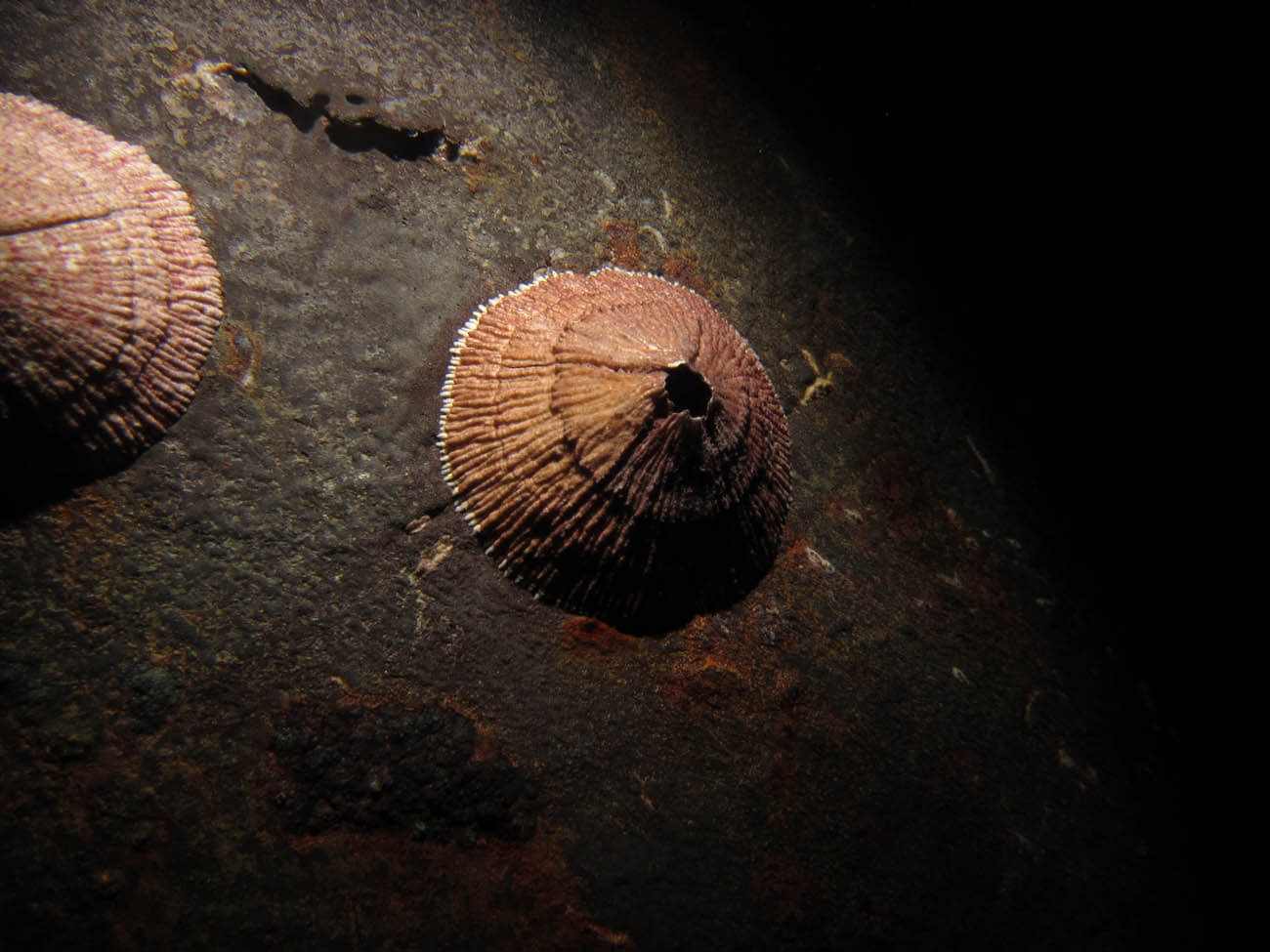
Some think big—shell and all—and crack affordable housing. Barnacles are crustaceans in hard limestone shells they build themselves—they secrete lime that glues them down into a cone of rock. Enough neighbors doing the same yields a skyline of barnacle “yurts” on the rocks. Feeding is self-service: they beat their legs, filter plankton, then sluice water back to sea—no trash run. At low tide, when it is hot and dry, they seal their shells with double doors. Barnacle on barnacle—yet a hungry snail with an innocent name like “chestnut murex” often climbs aboard. It has a round shell and spines, sends out a proboscis, and drills the barnacle’s owner. When it is done, the empty shell shelters others from the sun. What about blazing sun on the rocks? Researchers studying a barnacle called the giant barnacle found that roughly 80% of infrared light is reflected—thanks to special pigments on the shell.
Some think big—shell and all—and crack affordable housing. Barnacles are crustaceans wrapped in hard limestone armor they secrete themselves—they ooze lime that glues them to the substrate, building a cone of rock. When many neighbors do the same, you get an impressive cluster of barnacle “yurts” on the rocks along the shore.
Clearly not everyone can play “Survival—the splash zone,” so species diversity stays relatively low. How do you live here? Temporary housing is the norm.
Some think big—shell and all—and crack affordable housing. Barnacles are crustaceans in hard limestone shells they build themselves—they secrete lime that glues them down into a cone of rock. Enough neighbors doing the same yields a skyline of barnacle “yurts” on the rocks. Feeding is self-service: they beat their legs, filter plankton, then sluice water back to sea—no trash run. At low tide, when it is hot and dry, they seal their shells with double doors. Barnacle on barnacle—yet a hungry snail with an innocent name like “chestnut murex” often climbs aboard. It has a round shell and spines, sends out a proboscis, and drills the barnacle’s owner. When it is done, the empty shell shelters others from the sun. What about blazing sun on the rocks? Researchers studying a barnacle called the giant barnacle found that roughly 80% of infrared light is reflected—thanks to special pigments on the shell.
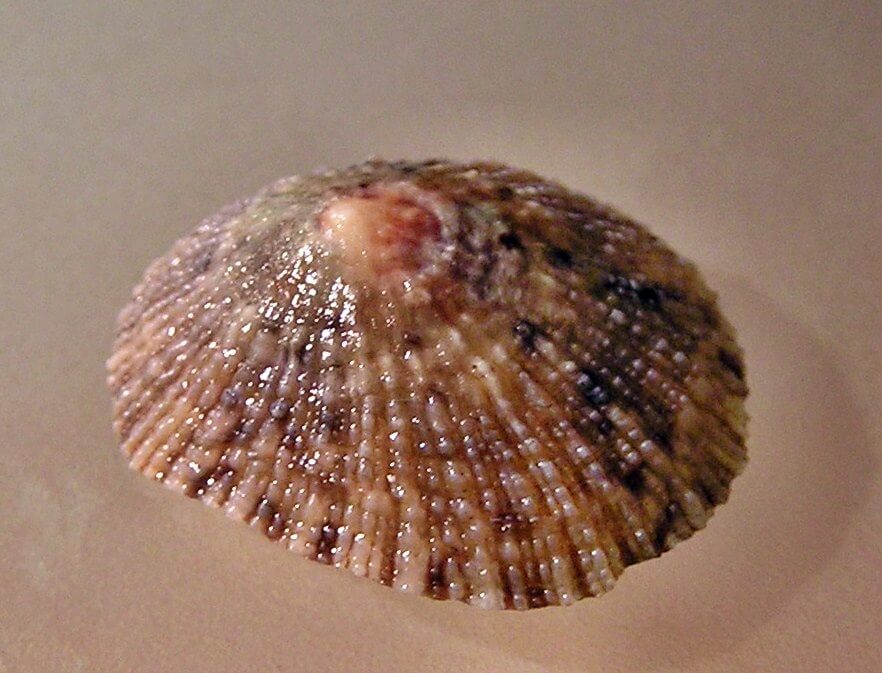
In general—to ride the chaos you want a hard shell that survives surf, and glue that sticks you to stone helps. The Eilat limpet looks like a flat plate: a wide opening with no operculum and a big muscular foot that clamps the rock, so heavy surf cannot tear it loose. Stubborn. It grazes algae while creeping over stone. By day it rests—it is scorching; at night the party starts.
With a grasshopper to the sea
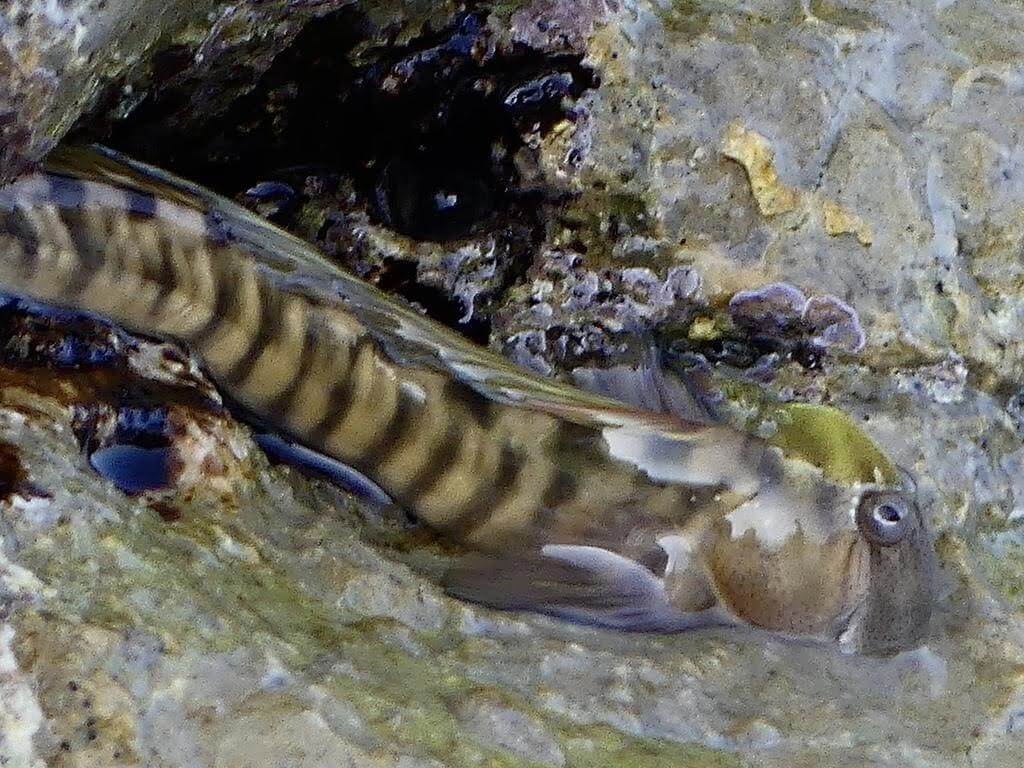
Rocky shores teem with creatures built to beat dryness. Some cross the line into the rocky splash zone—the little rockskipper blenny. Only a few centimeters long, but a stunt artist: it leaps from sea to dry ground and can stay out of water for a long time. Yes—a fish out of water.
It lives in crevices exposed as tides rise and fall. Its body grips the rock against heavy surf; it hops point to point—the sea’s grasshopper. It breathes underwater with gills and in air through skin and mouth. It eats algae or whatever it finds, exploiting a niche with little competition. Say “adaptation to a tough shore,” say rockskipper.
The last beloved band is the infralittoral fringe—the strip along the shore that stays underwater around the clock, so conditions are relatively stable and diversity is high and distinctive (read more under the shallow reef and sandy-bottom habitats). Worth knowing: the shore is not only a tourism engine for Eilat—its ecological role is immense. As the seam between sea and land it traps organic leftovers from the sea that feed shore life; it suits sand burrowers, barnacles, and other rock-huggers; and it houses species whose lives move between sea and land. Shore life pays it back—digging and aerating sediment, breaking down and recycling matter, filtering water, balancing food webs.
Bipeds vs. shore dwellers
So—as you see, Eilat’s beach is never dull—and not because of beach paddle ball. Waves, dryness, sea, land, heat, cold: nature rides it out. The trouble is that this beautiful, dynamic world is threatened by bipeds who do not always know they threaten it. More than in other habitats, on the beach everyone thinks they own the place—or are sure they do. Urban and tourist sprawl steals space from tiny residents; gravel brought in for visitors does not suit local wildlife; harsh, poorly aimed lighting wipes out moonlight and confuses sea turtle hatchlings; plastic and Bisli–Bamba wrappers pollute and trap small animals; the shore’s rich life is slipping away.
What do we do? Educate, propose fixes, protect. For years green groups and dogged researchers have pushed policy, coordinated with the navy to manage the shore better, and tried to shield crabs in military zones. Steps target light pollution that hurts turtles. We can treat the shore and its residents as they deserve—so ghost crabs, rockskippers, and barnacles stay with us.
As you’ve gathered, Eilat’s beach is never dull—and not because of beach paddle ball. Waves, dryness, sea, land, heat, cold: nature rides it out. The trouble is that this beautiful, dynamic world is threatened by bipeds who do not always know they threaten it.
For further reading

Human impacts on the Red Sea ghost crab
Tidal zones, barnacle distribution, and how conditions shape where they live
Cigarette butts and other beach trash that reach the sea
Next stop
The shallow reef
Discover a colorful and vibrant world, where coral, fish, and sunlight are woven into one wondrous fabric