The Mesophotic Reef
Discover the magnificent twilight zone, the natural continuation of the sunlit reef, where fascinating species live that have survived its challenges
Start scrolling

LIVE cameras
Watch live broadcasts from the Mesophotic Reef
what?
The mesophotic reef is the natural continuation of the sunlit shallow-water reef, but the scarcity of sunlight that penetrates inward turns it into a twilight zone. Even so—or perhaps because of it—the mesophotic reef shows wild beauty and a wealth of fascinating species that have survived its challenges.
where?
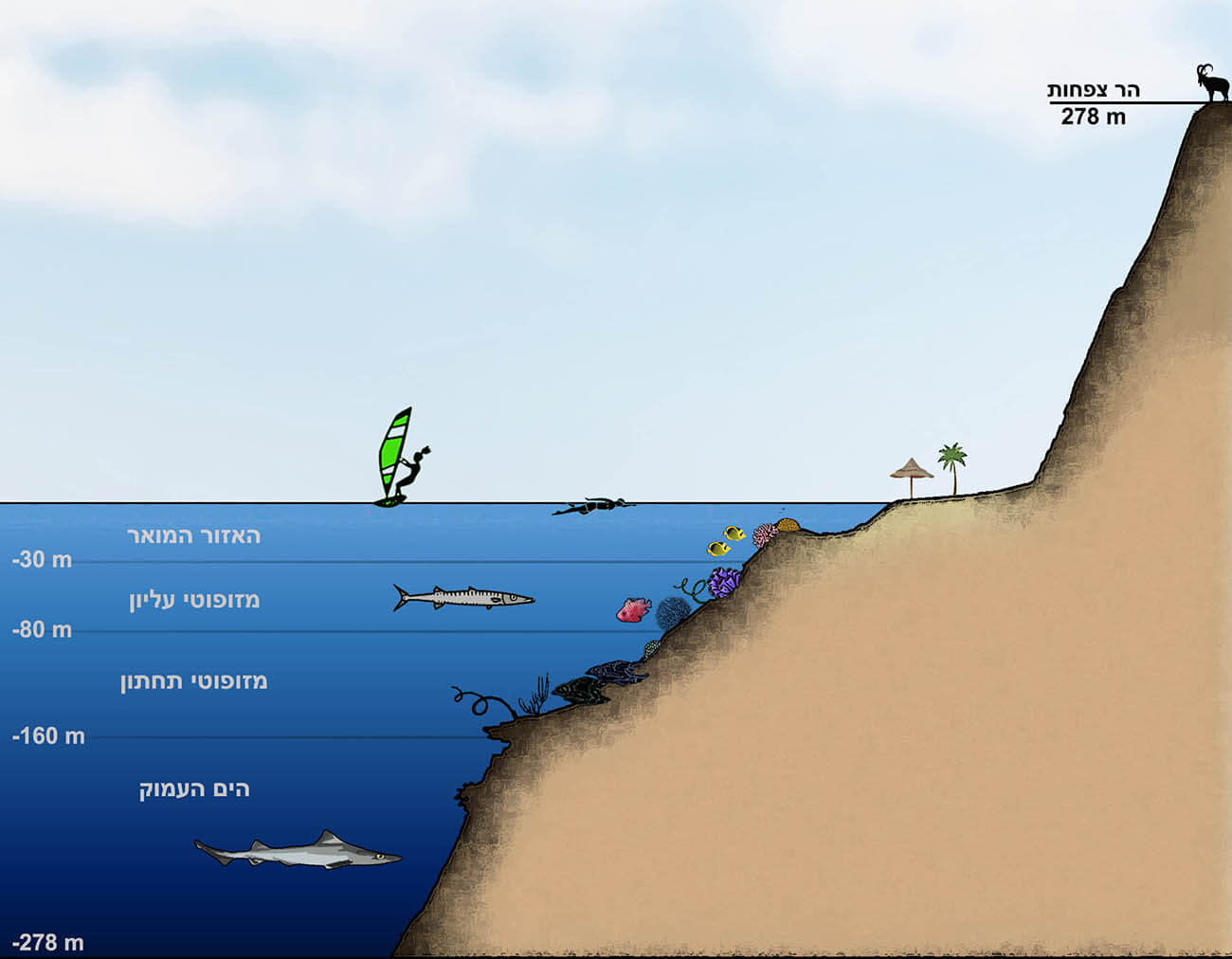
Between 30 and 160 meters deep
who?
Lettuce corals, soft corals such as Xenia, jacks, princess anthias, and plenty of sponges and anemones that do not need light
What is it good for?
The mesophotic reef—the “sandwich child” between the dark deep sea and the bright shallow sea (“meso” in Greek means middle, “photo” is light)—plays an important ecological role as a comfortable, safe waystation for the many species that commute daily between shallow and deep water.
Welcome to the twilight zone
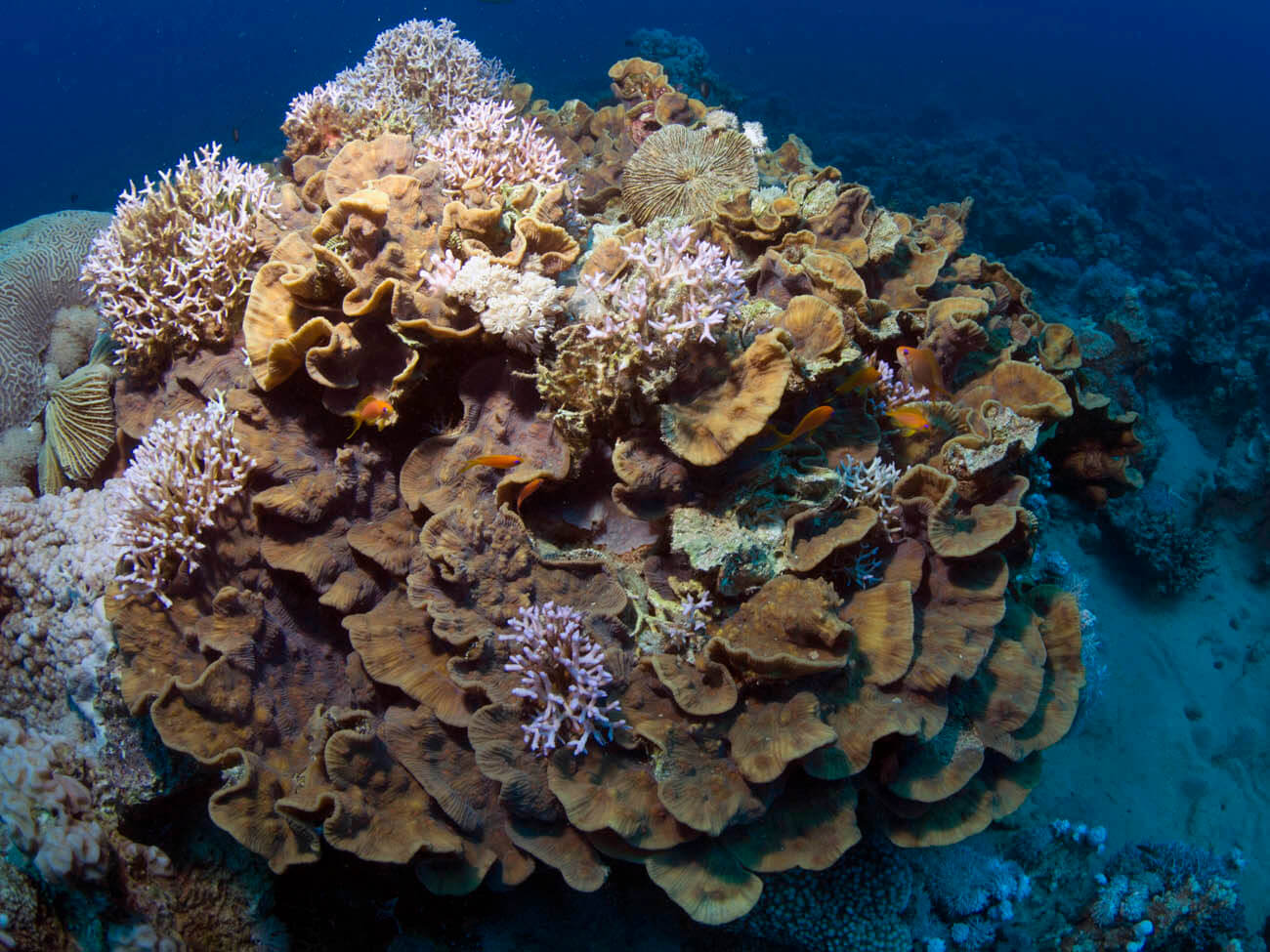
Have you ever snorkeled in a coral reserve? Taken a one-star diving course and think you’ve seen it all? Dived in the Maldives and taken a selfie with giant mantas? Friends, you haven’t seen anything yet—but you’re right on the edge: the tip of the coral-reef iceberg. The place you call “the coral reef” is only the attic of the complex, unique marine structure in the Gulf of Eilat. Go down one floor—tens of meters below the surface—and a new, unfamiliar world opens before you. Slowly the big city falls away, sunlight fades, the mood turns dim and mysterious. You go deeper, and suddenly a coral like a giant fir flashes on your right, a fish with a horn juts up on your left, and from below a fish opens a pair of giant eyes on you.
Welcome to the twilight zone—an experience in another dimension; the place where a human foot has barely trodden: the mesophotic reef. What is mesophotic? “Meso” in Greek means middle; “photo” is light—together they are the big mezzanine in nature’s marine villa in the bay, between the sunlit attic of the shallow sea and the dark basement of the depths. The mesophotic band, roughly 30–160 meters below the surface, is a bit of a sandwich child among reefs—the one that doesn’t get much fame, which is a shame, because it really delivers. Here live, in style, the creatures of this magical ecosystem—those tough enough to meet its challenges.
The place you call “the coral reef” is only the attic of the complex, unique marine nature of the Gulf of Eilat. Go down one floor—tens of meters below sea level—and a new, unfamiliar world opens before you.

Who’s coming to Pilates?
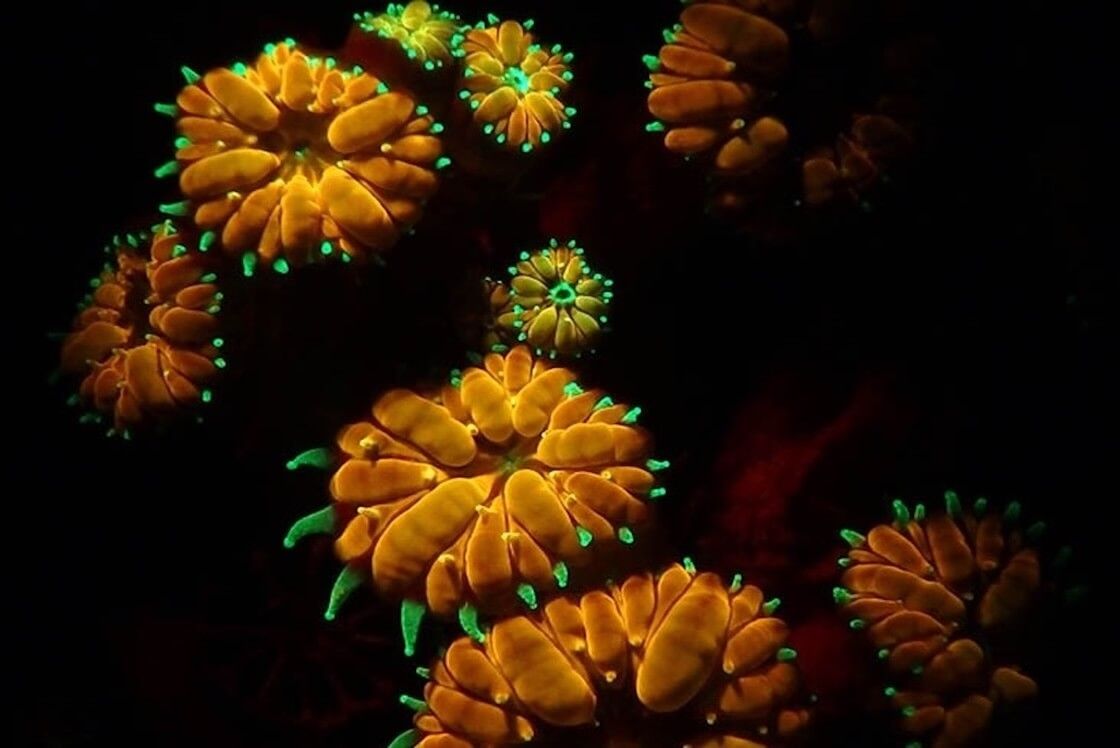
For example, one major challenge in the mesophotic zone is light—or rather, its absence. Most corals need light. Their catering—tiny symbiotic algae—cooks with light in the kitchen. The recipe is photosynthesis, and light is an essential ingredient. What do you do at 60 meters when only one percent of sunlight reaches you? Get creative. Some mesophotic corals found a brilliant lighting hack: fluorescence. They make fluorescent proteins that trap the little sunlight that reaches depth and “maximize” it—turn it into glow that feeds the symbiotic algae, the catering crew—a generator that lets them cook the coral’s meal. Passersby get a free ticket to a glowing light festival along the way.
Most corals need light. Their catering—tiny symbiotic algae—works with light in the kitchen. Cooking is photosynthesis, and light is a raw material. What do you do at 60 meters depth when only one percent of sunlight gets through? Get creative.
More creativity? Meet the lettuce coral—with a diet-snack name and a head of open lettuce leaves—it shows what adaptation means. It has evolved, expanded its surface area, and exposes itself to sunlight more efficiently—friends, every photon counts!
Something wonderful also happens here: some species you meet “upstairs” on the shallow reef also live on the mesophotic floor, but here they change shape—flatten, stretch, and open up to catch some sun. A little Pilates never hurt anyone.
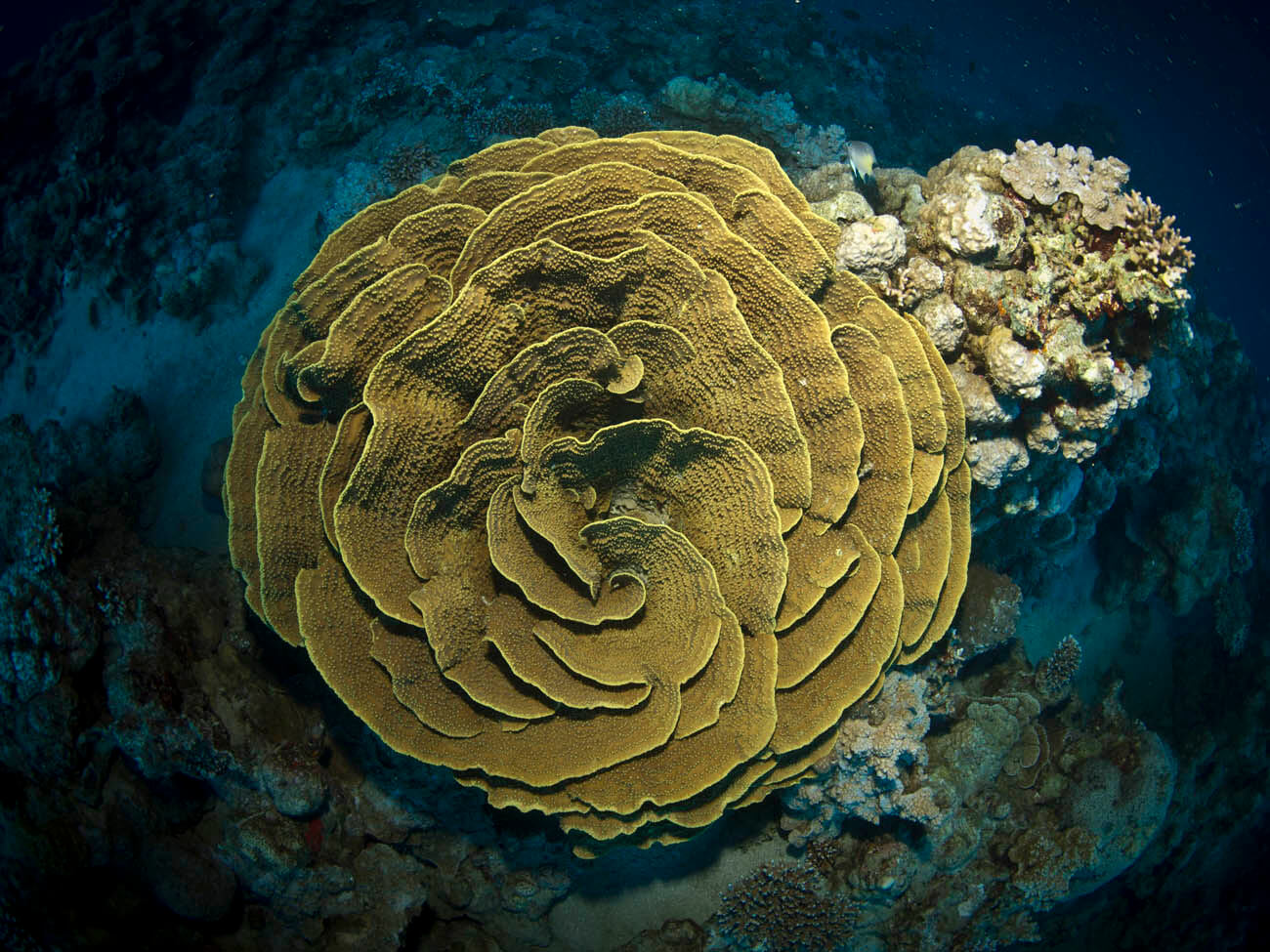
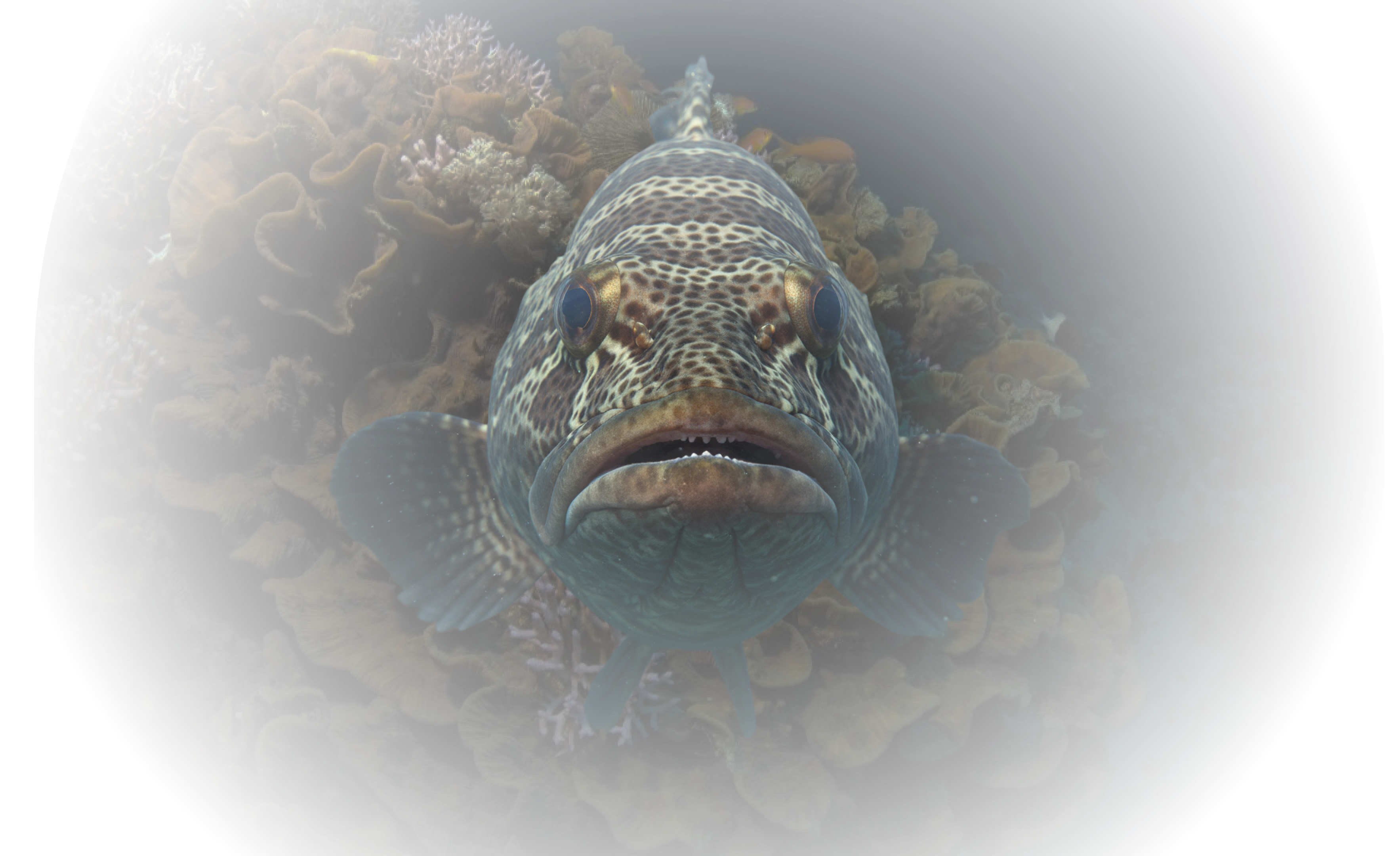
It isn’t only corals that improvise. Some fish and crustacean species that spend most of their lives in mesophotic depths have evolved large, sensitive eyes that catch light efficiently—so they find the next meal or spot enemies in the gloom. Tough, we said?
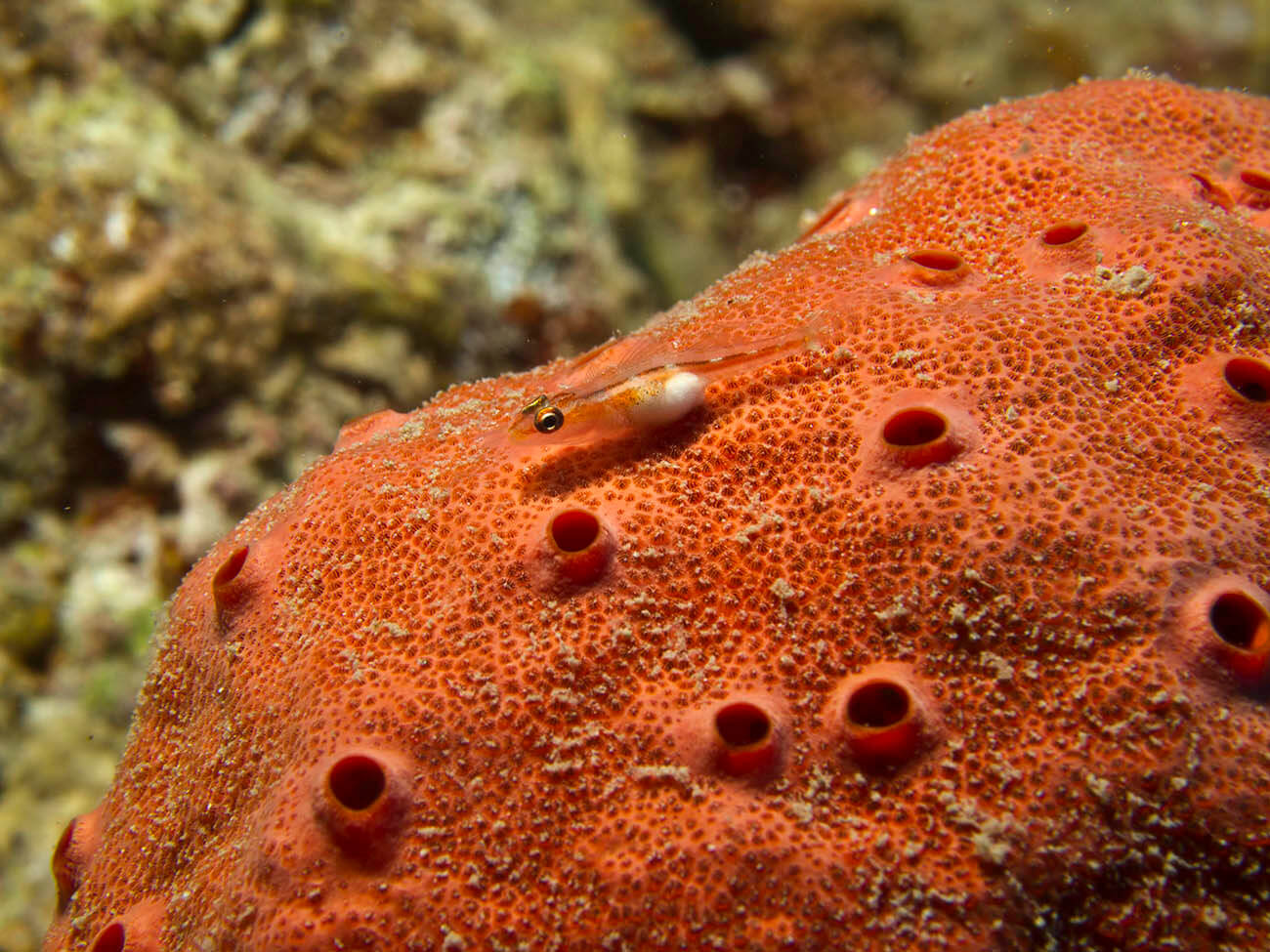
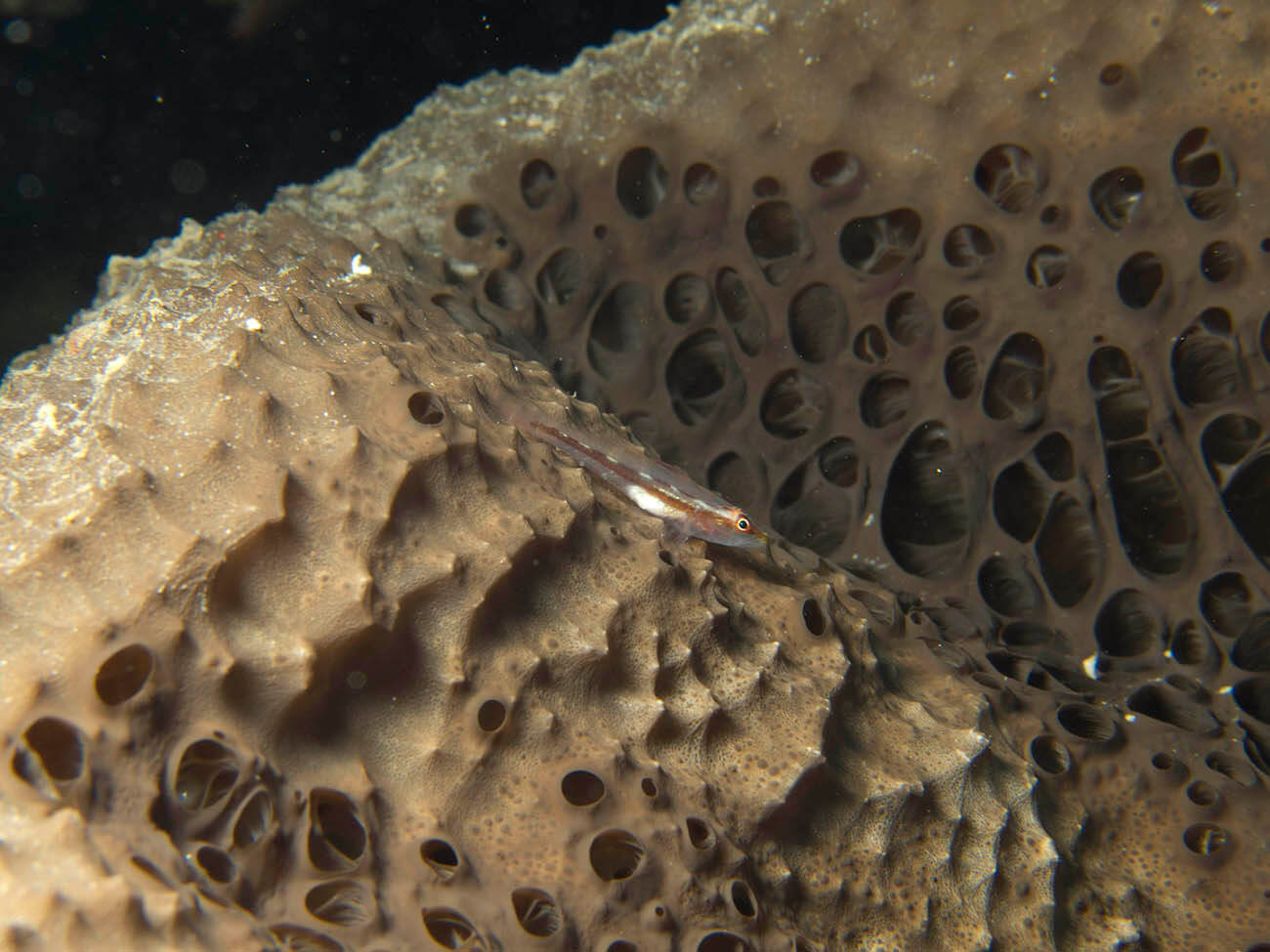
Of course there are those born for the dim set: sponges, for example—simple, spineless animals that look like, well, a sponge. They don’t need the sun. They draw water in, and the private fishing net inside does the job, hunting plankton and other goodies.
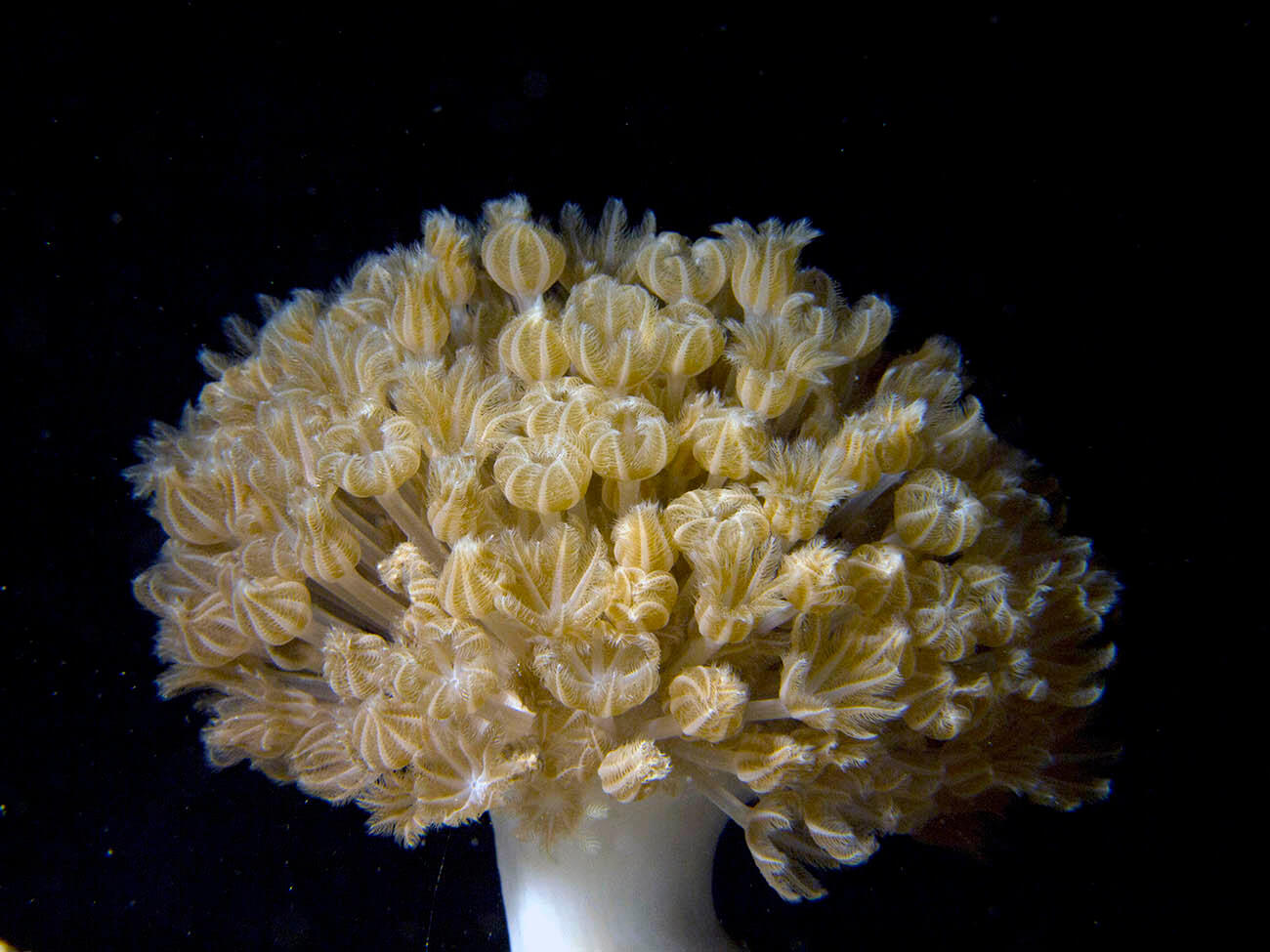
Soft corals—delicate souls that prefer not to dirty their arms with stonework—also love the depths. No strength for waves, mud, and attic junk—so why ruin your nails when you can weave flowers? Look at the Xenia family: some species look like a living bouquet—the coral arms reaching for plankton make a charming Saturday-night bouquet.
Where the fish lies in wait
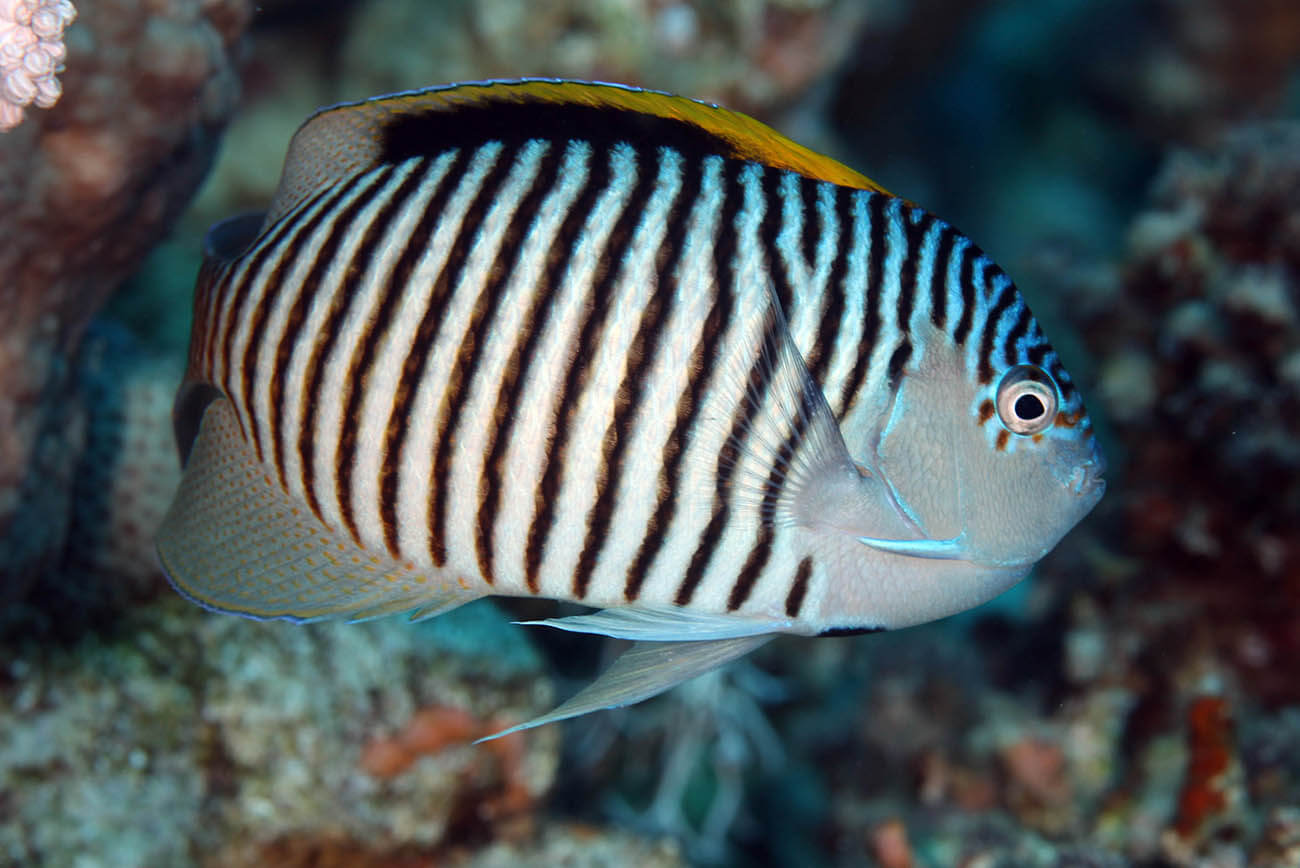
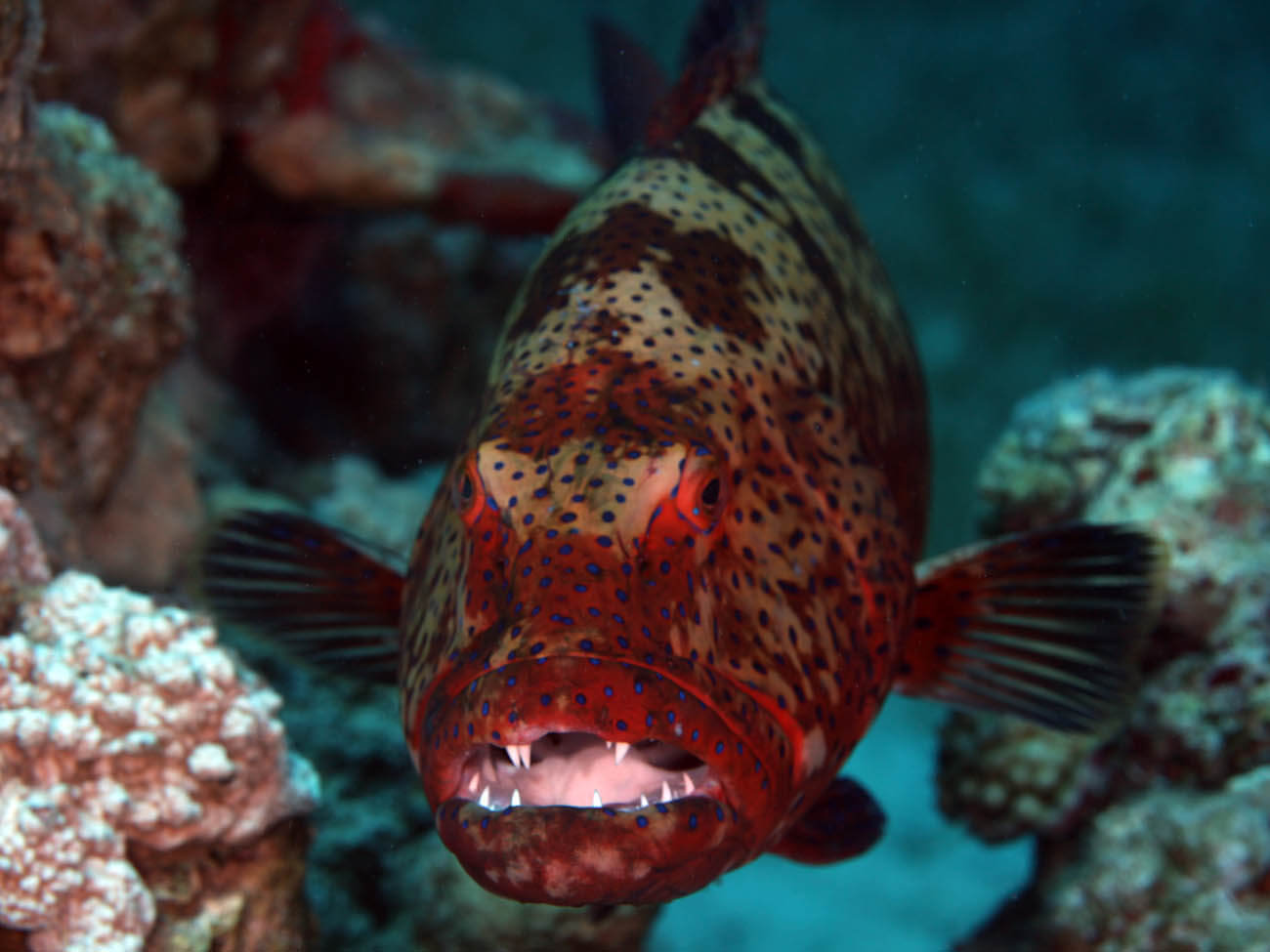
And like any neighborhood, you need one bully for the system to work: meet the giant jack—top predator hiding among the corals, coming out to show everyone who’s landlord, with good luck to passersby. It isn’t the only bully in the family—probably runs in the family. Several jack species love the depths and fill the “apex fear” slot nicely—except for one pressure: fishing. Jacks’ sensitivity to fishing, plus tasty flesh for enthusiasts, has nearly erased them—and that’s serious trouble. We need that bully to impose order, thin the herd, remove weak and sick animals, and run the food web from above. No way around it: too many individuals of one species always comes at other species’ expense, and can throw the whole reef off.
The mesophotic reef isn’t threatened by fishing alone. To grasp how big the threats are, you first have to grasp its central role in the Gulf of Eilat. As the bay’s sandwich child, the mesophotic reef links every part of the family—the siblings in the attic and the siblings in the basement.
How? Start with the fact that it isn’t really a separate apartment with its own door. It is naturally wired to shallow water on one side and the deep sea on the other, so it is a vital corridor for species commuting between deep and shallow.
Zooplankton—tiny drifters—love a nomadic life. They keep a tight daily schedule: by day they dive deep, at night they rise to the surface to eat phytoplankton. They themselves are catering for a long chain—sponges, corals, fish, worms. So they pass through as a mid-way station, and sometimes get dragged unwillingly into the mesophotic guest room by currents and eddies.
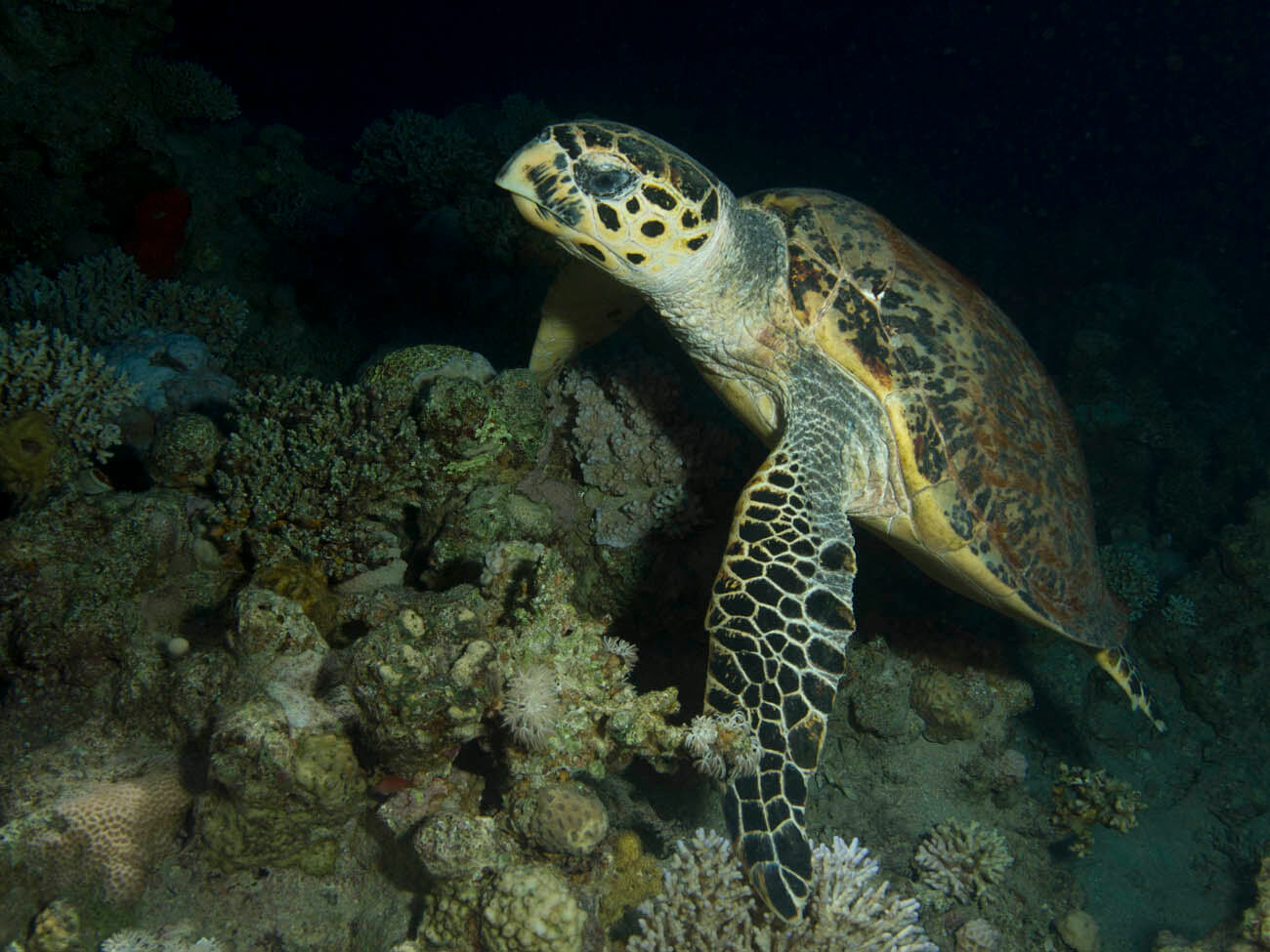
Who actually comes down here on purpose? The sea turtle. Remember: it breathes air like us, but it can hold its breath and dive past 150 meters! The sponge bonanza on the mesophotic reef is breathtaking—it feeds on them, so it shows up here now and then. Guests welcome—check.
Alongside hosting guests, the mesophotic is doing well in its medical studies and is considered promising. Its inhabitants must defend against predators. Take the sponges we mentioned and their spineless neighbors the sea anemones—settled on a substrate and not going anywhere. For such stuck creatures it’s hard to flee—how do you defend yourself with no legs to run? Mesophotic creativity strikes again: they make chemicals that make predators think twice, and stop pests from camping on their backs.
Today humans are learning to use those “natural materials”—novel compounds they produce—for medical products. Heard of gorgonian corals? You will—not only for their hipster look, but because with sponges and anemones they draw chemists and clinicians. The potential is huge; some compounds already underpin cancer drugs and more.
Falling between the chairs
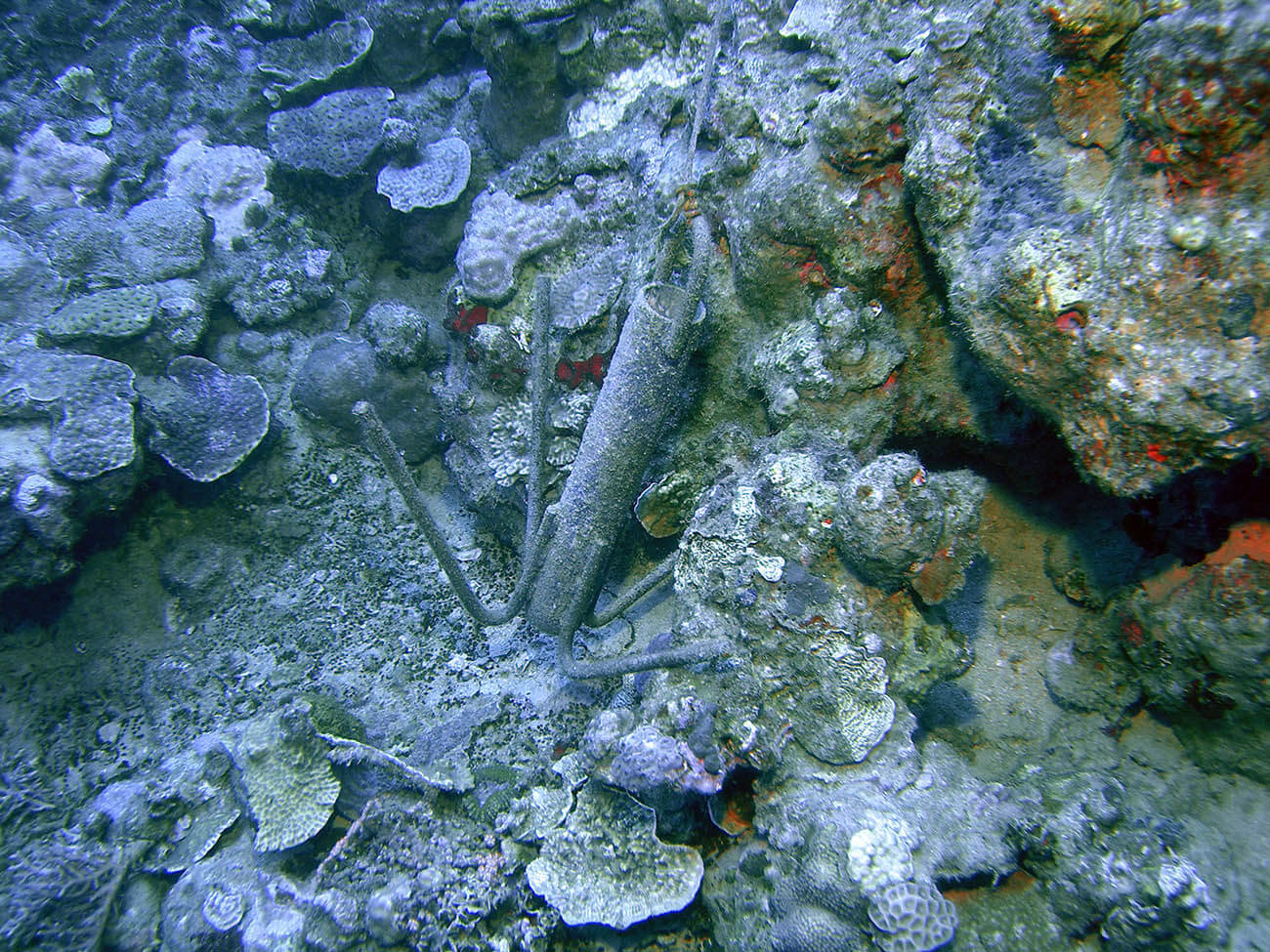
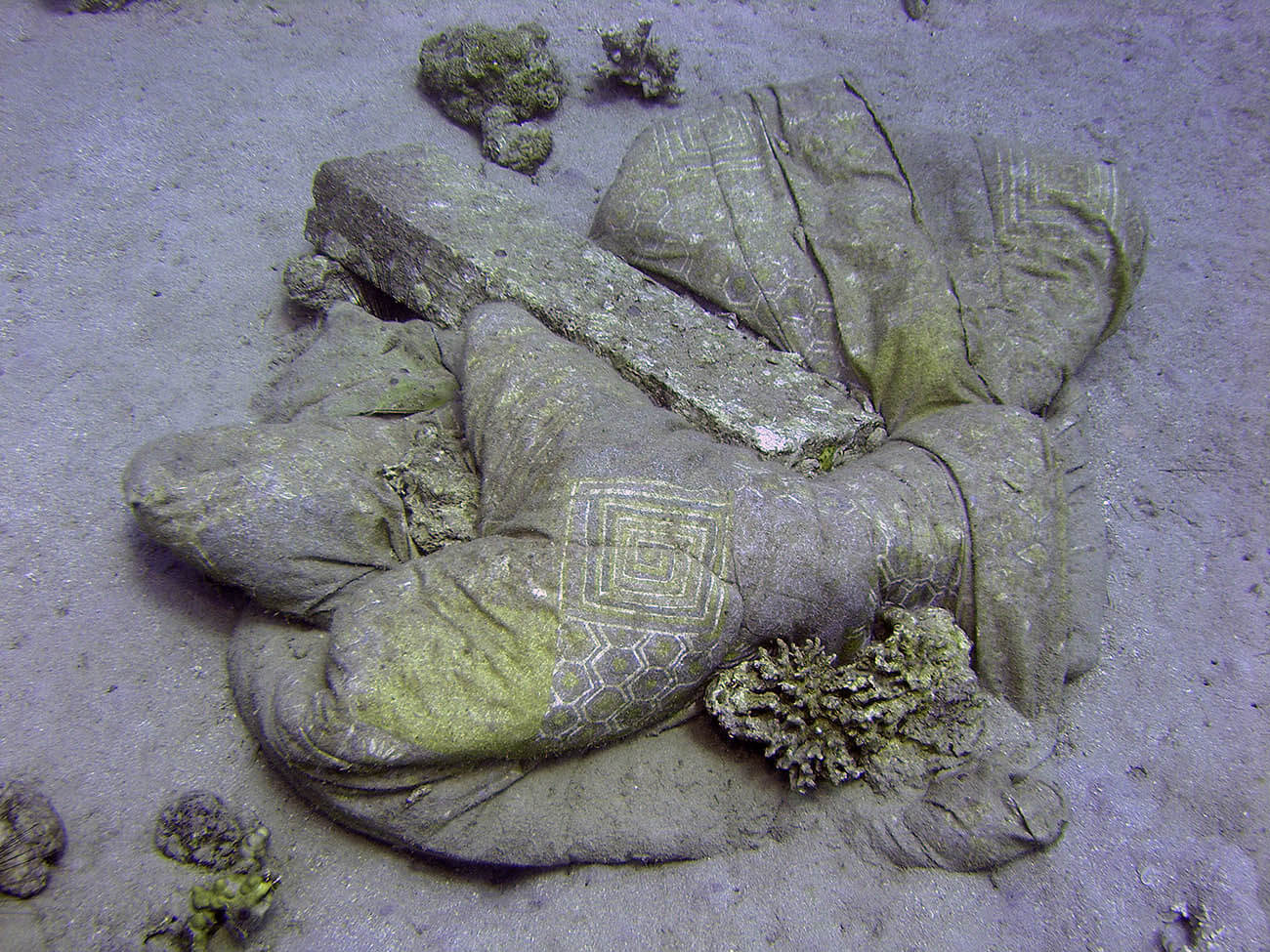
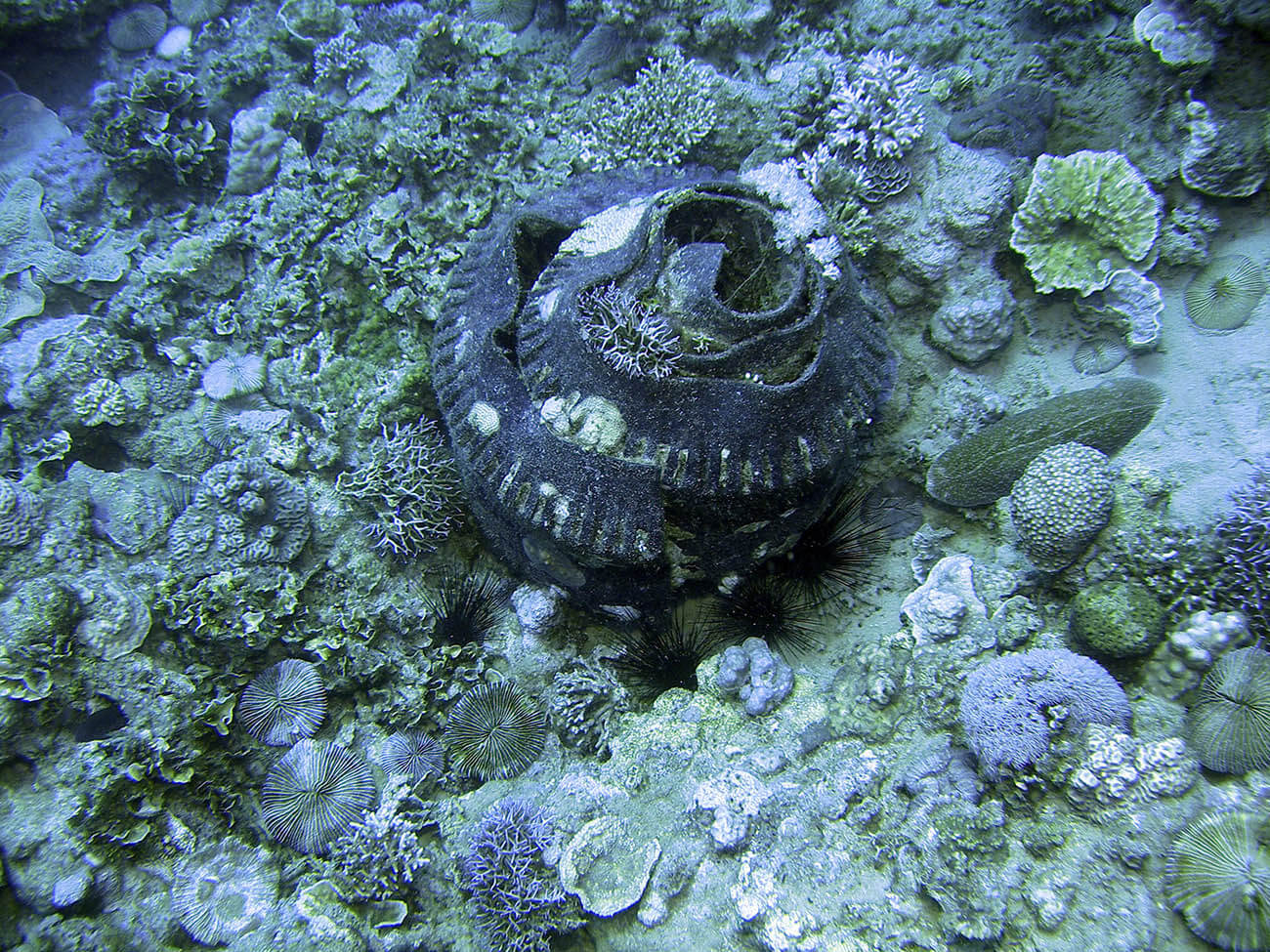
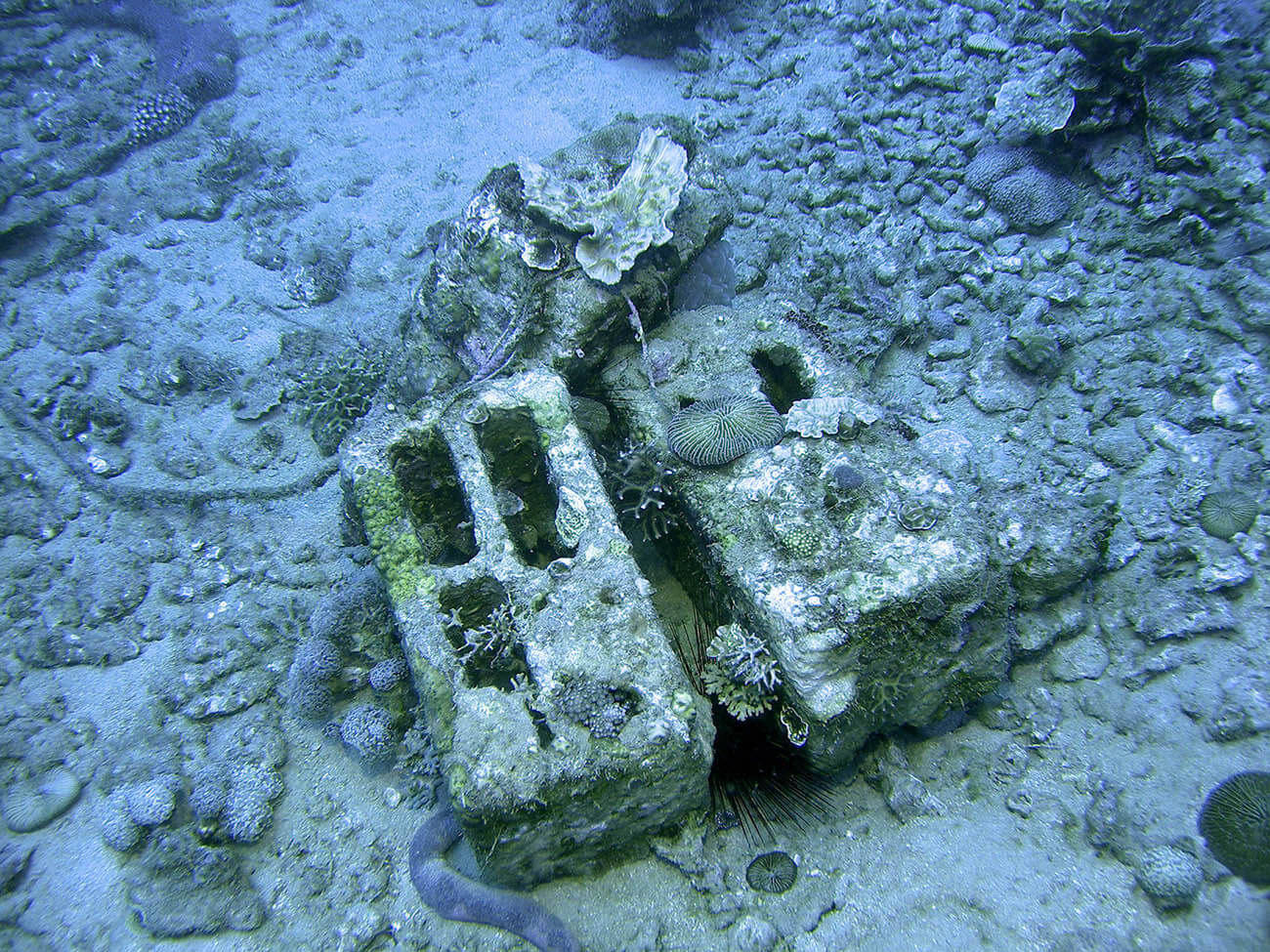
Damage the reef and you can kiss the clinic dream goodbye. The mesophotic reef is hard to reach—luckily fewer divers and visitors stamp their mark. Still, sunk fishing junk does harm—anchors, hooks, nets that become death traps. Debris someone thought would vanish on its own waits for reef life, choking and poisoning corals and other animals.
Underwater robots and technical divers—using special gas mixes—are about the only ones who can reach mesophotic depths; sometimes they even find somewhere to sit: chairs on the bottom beside bottles and wrecks, plus a blanket to curl up under.
Eilat is also a cargo, fuel, and oil port. Without monitoring and enforcement of proper ship operations, fuel and oil spread in the water; some form sinking compounds that can devastate sections of coral reef.
And now for action
What do we do? Just as the familiar coral reserve—one small patch of wild bay—was declared, we must declare the mesophotic reefs a protected, managed area. Declaring a reserve doesn’t have to mean a fence and tourist fees—it means rules and enforcement on fishing, dumping waste, and more. A mesophotic reserve would protect this unique ecosystem and its place as the gifted sandwich child in the bay’s complex natural fabric. Such a reserve could seed rich science that brings the next generation of drugs, reveals whole new creatures and clever mechanisms, and finally gives the sandwich child the respect it deserves.
A mesophotic reserve would protect this unique ecosystem. Such a reserve could yield rich science that brings the next generation of medicines, introduces whole new creatures and creative mechanisms, and finally gives the sandwich child the respect it deserves.
For further reading

On the mesophotic reef and why it matters
On fluorescence and what it means
Bleaching precursors in the Gulf of Eilat
.Spectral Diversity and Regulation of Coral Fluorescence in a Mesophotic Reef Habitat in the Red Sea | PLOS One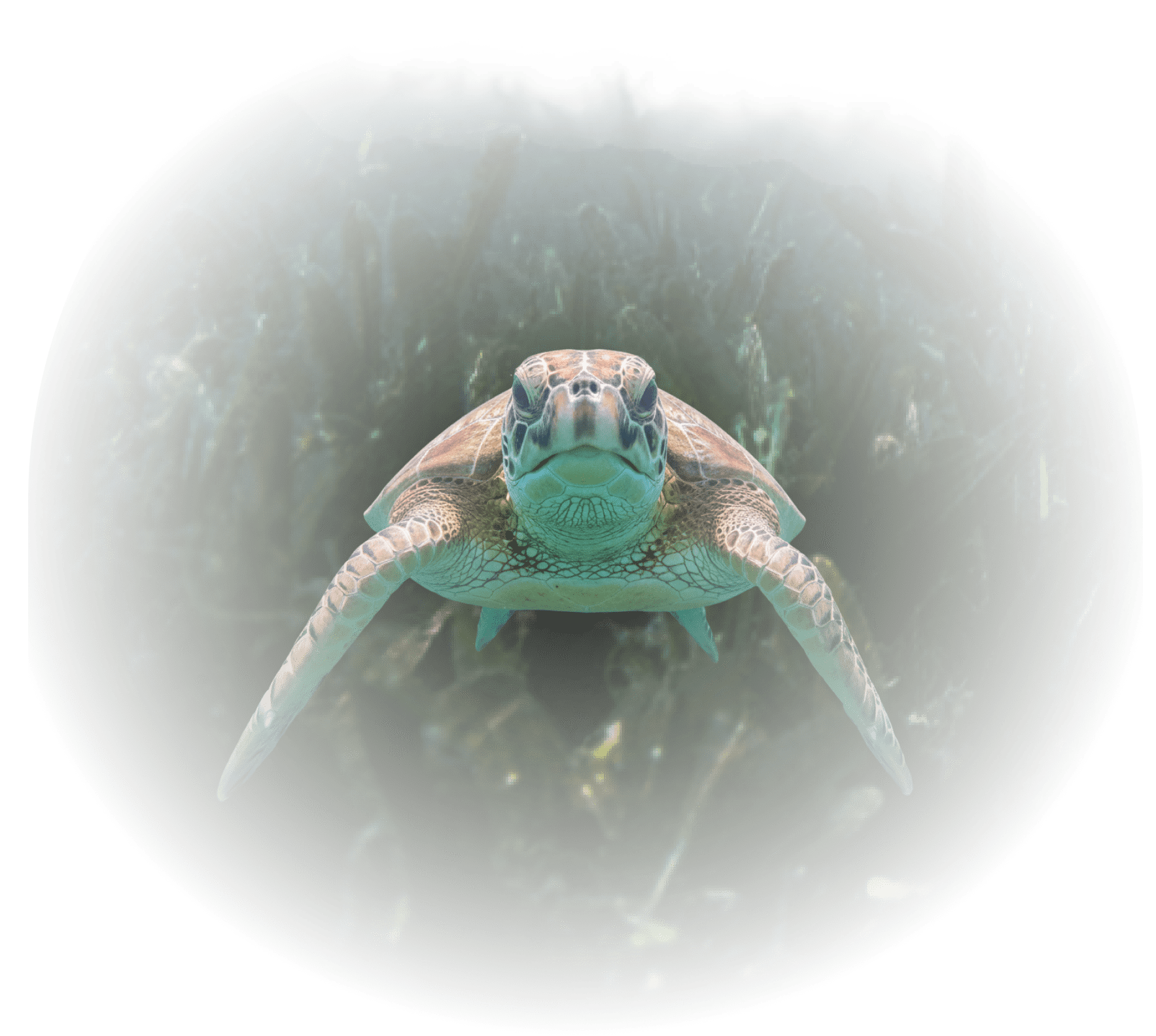
Next stop
Seagrass
Take a look at the seagrass beds, swaying gently in the current—a busy hideout for stingrays, fish, and delicate creatures