The shallow reef
Discover a colorful and vibrant world, where coral, fish, and sunlight are woven into one wondrous fabric
Start scrolling

LIVE cameras
Watch live broadcasts from the shallow reef

360° diving
Dive and discover the magnificent nature of the shallow reef
what?
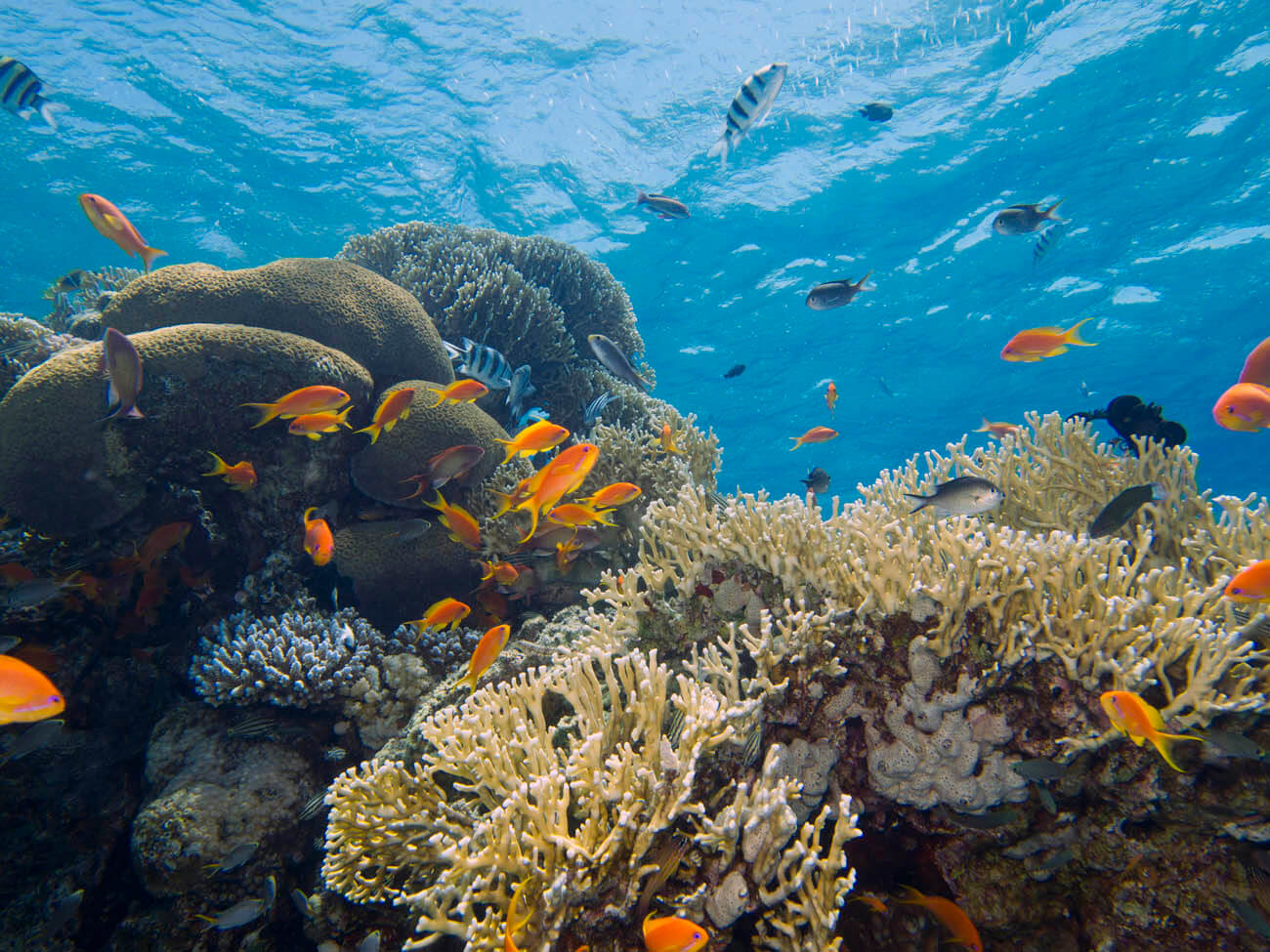
The shallow reef, the rainforest of the sea, the underwater ecosystem that breaks records in the variety of species, colors and shapes. It has warm and clear waters, and an abundance of light that penetrates and serves its inhabitants. It was founded by stony corals that built large rocky stone villas that house fish, mollusks and a host of invertebrates, and together they manage an important and spectacular complex system.
where?
At depths ranging from a few meters to 30 meters below sea level
who?
Stony corals of the Shiitake and Shihan types, butterfly fish, stingrays, drill sponge, rose and rose and much more
What is it good for?
Coral reefs provide a host of services to other habitats in the sea and to people living outside it: they act as natural breakwaters, thus protecting beaches and other habitats; they serve as a source of food for hundreds of millions of people around the world; they offer a complete pharmacy of natural substances with healing potential, and of course a variety of diving and snorkeling attractions; they bring in billions for residents of over a hundred countries. The coral reef is the most important asset for employment and the economy in Eilat.
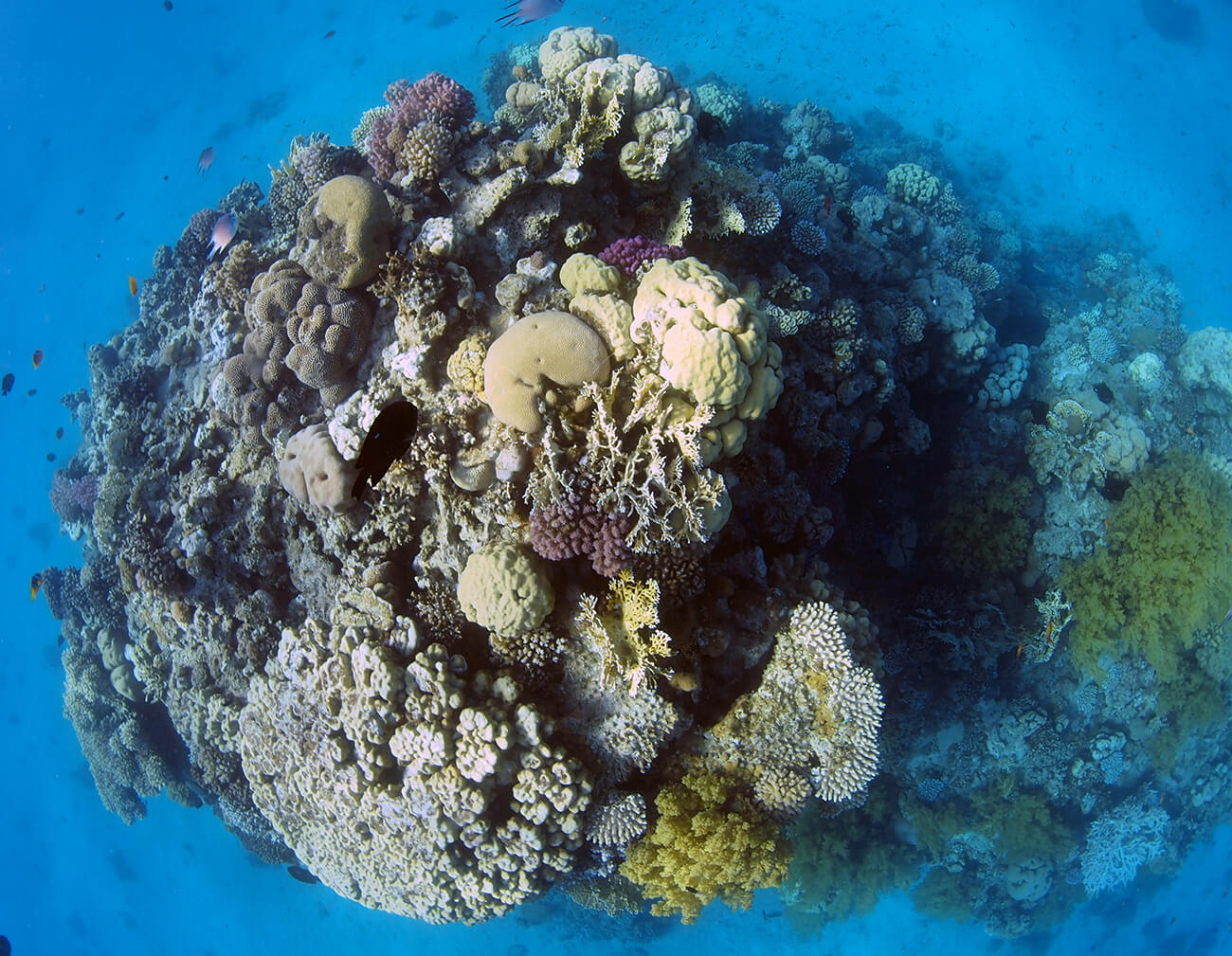
Villa in the jungle
Tell the truth—have you ever found yourself trailing an overenthusiastic guide with a machete through the Amazon rainforests? Been on a caravan trip, stacked back-to-back on an elephant in the jungles of Thailand? Forget the ticket—the real tropical jungle is right here in the Gulf of Eilat, under the water. Snorkel and fins and you're off on a journey—please strap on your masks.
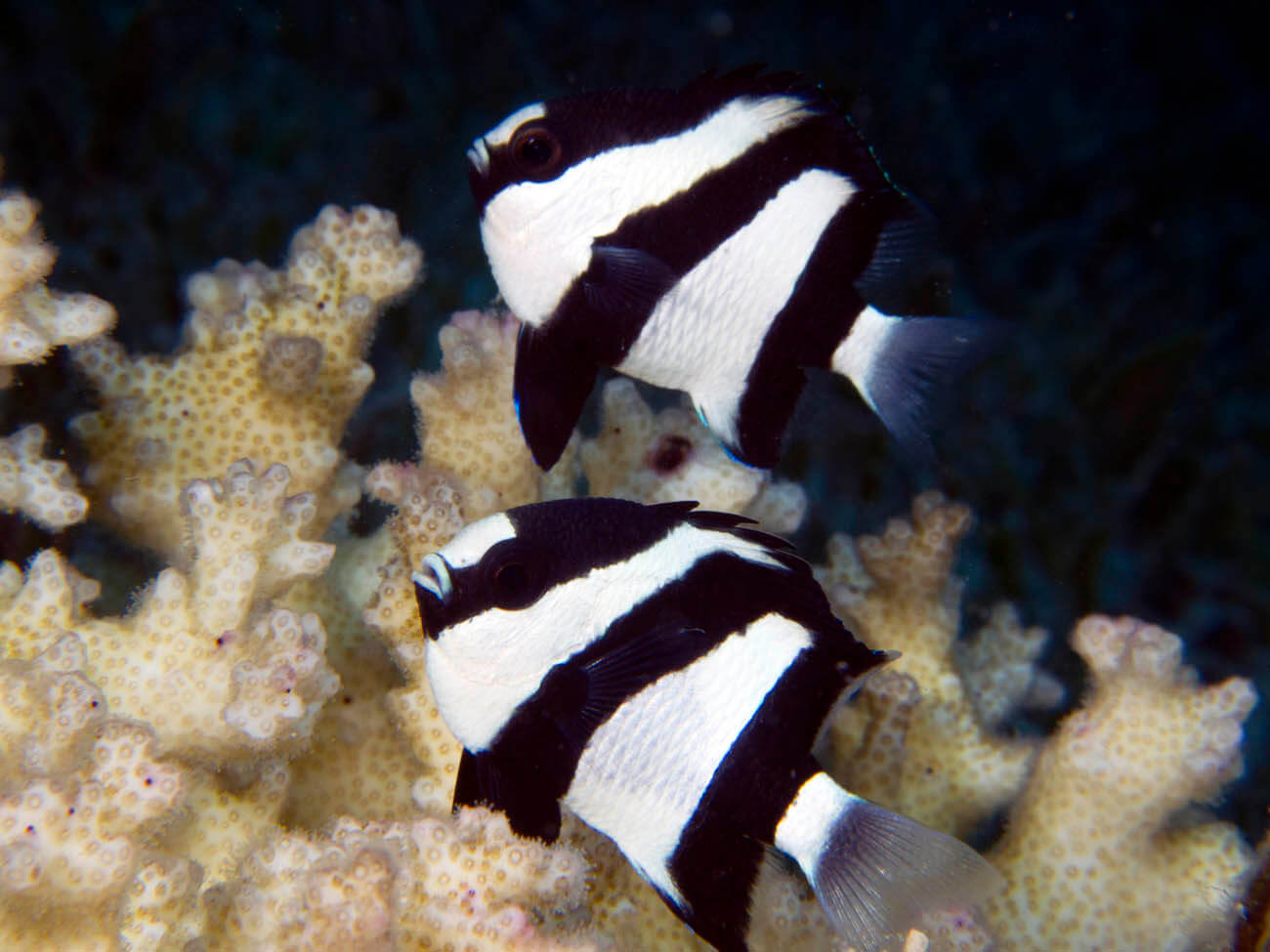
A few meters from the shore, and you're in the water. You hear your own breath in a surround system only the water can create. Sunlight lights up the clear water; an easy swim with your head in the water and your breath catches: a colorful dream world hits you with full force—underwater gardens in every color, tree-like creatures spreading branching limbs toward you, neighbors that look like round bushes planted on the seabed. Sea anemones greet you with raised arms; from inside them Nemo peeks out at you. Then another. And another. A school of small orange fish swims against the current. A few black-and-white striped fish seem to chat with a bush—or something that looks like a bush. Zoom in a little more and a whole teeming world opens up—the oversized creature with the snorkel and mask, unaware of how much this magical underwater world shapes their life.
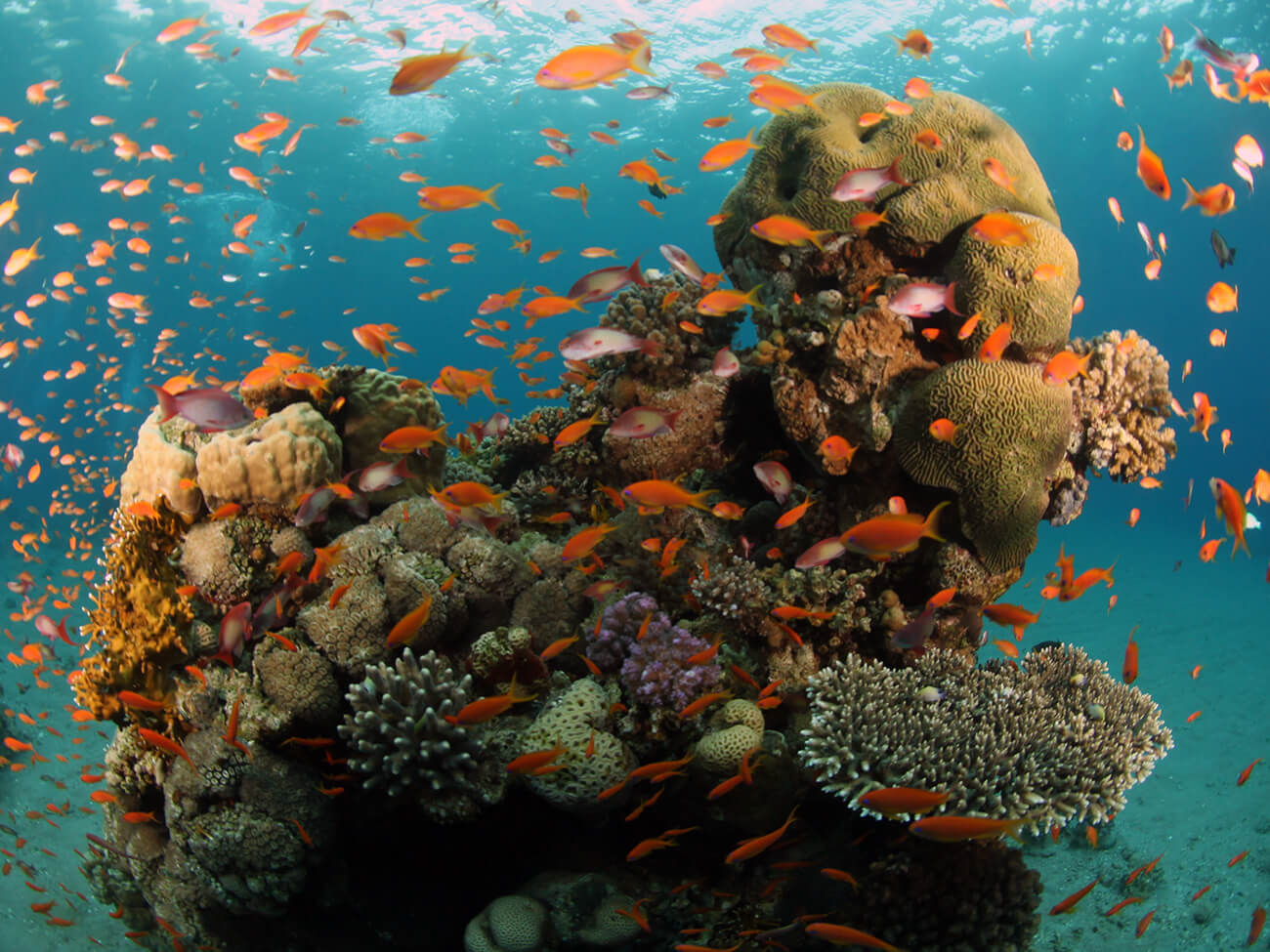
The sea's showcase
Welcome to the coral reef, the photogenic sister of marine habitats—the one you picture when you think of big corals, sea creatures, bright colors, and "Finding Nemo." No wonder it's the showcase of life at sea: inside the large stone villas built by the corals—the architects of the reef—live more than a million species of animals and plants, about a quarter of all marine life, while the reefs themselves occupy less than 0.2 percent of the ocean floor. Take the Great Barrier Reef in Australia: it hosts about 400 species of coral, 4,000 species of mollusks, 1,500 species of sponges, six of the world's seven sea turtle species, and many more species, colors, and shapes. Thanks to this rich biodiversity—its own and that of other coral reefs—this ecosystem has been dubbed the rainforest of the sea. True, in species diversity reefs trail the rainforests on land with elegance—but hey, when you measure species density per unit area, coral reefs often far exceed the rainforest. One–nil for reefs.
Reefs aren't only beautiful—they deliver: hundreds of millions of people worldwide depend on coral reefs for food. Reefs yield between 5 and 15 tons of fish per square kilometer, and are therefore an important source of protein, especially in developing countries.
And there's more: without intending to, reefs have enlisted as a front line of defense—they form a natural barrier that greatly reduces the force of waves hitting the shore, protecting coastlines and their inhabitants, and reducing damage from tropical storms or tsunamis. Bravo.
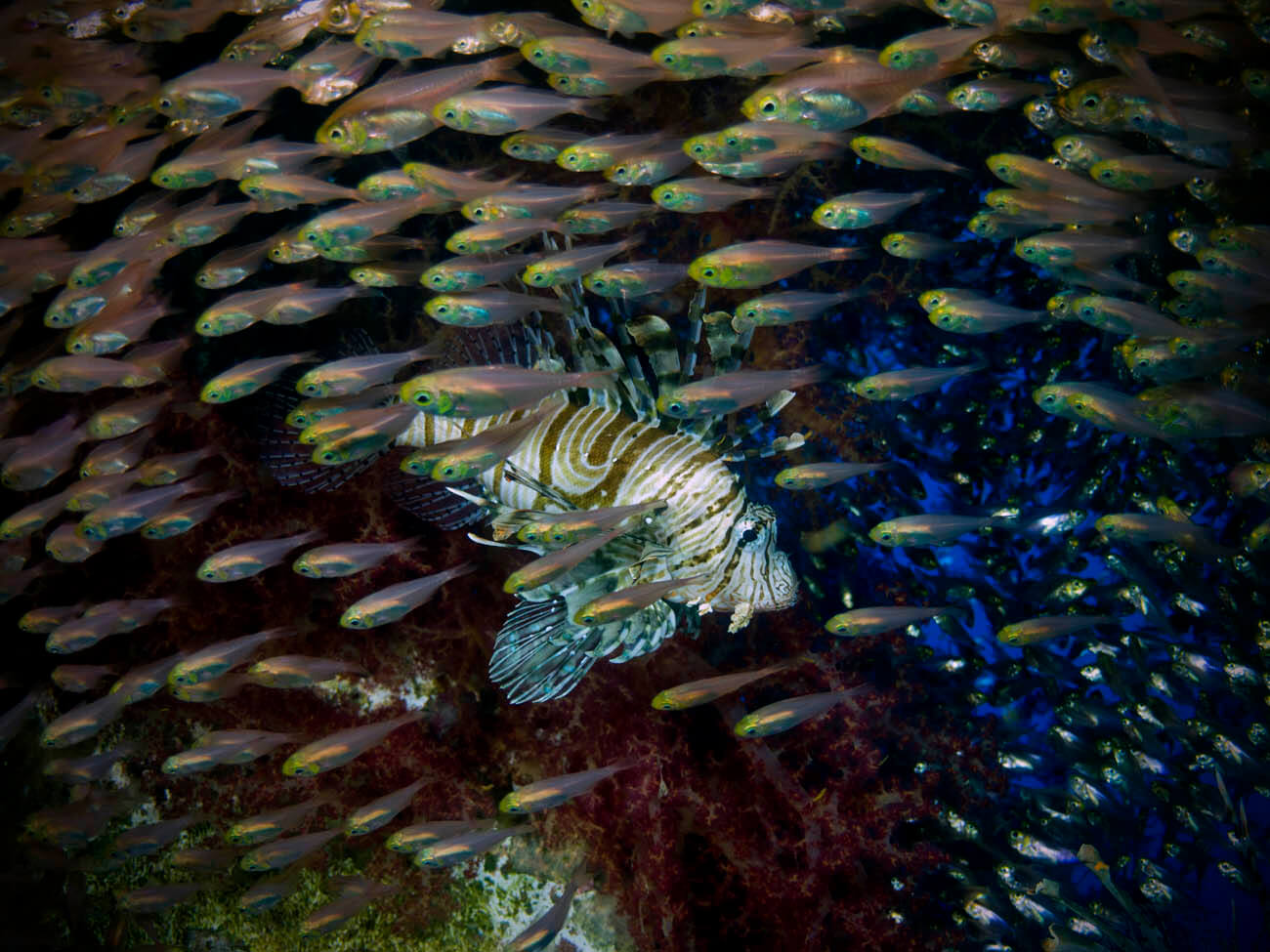
Coral reefs have grown an entire tourism industry of diving schools, equipment shops, hotels, restaurants, and a host of job opportunities—making it a highly attractive employment hub for residents of more than a hundred countries. A report by the Global Coral Reef Monitoring Network (GCRMN) valued the total ecological services the reef provides to the world at 2.7 trillion (!) dollars a year.
But never mind the money—the main thing is health: the coral reef is beautiful, a baker, and a doctor. How? We've already talked about the high species diversity on the reef. Well, some of them are very hungry and will devour whatever is around—even neighbors in the villa; when you're hungry, there are no sentiments. Many reef creatures are sessile, and without legs to flee predators—you have to find a creative way to drive them off.
Spoiler: they found it. Some marine animals produce chemicals that protect them from being eaten and nibbled. Some also secrete chemicals to attract a mate and start a family. In short, the chemistry lab established by reef creatures is responsible for the largest pharmacy in the sea, and there is truly nothing like it. Humans enter the picture here too: we have learned to harness those "natural substances" to develop drugs for various diseases.
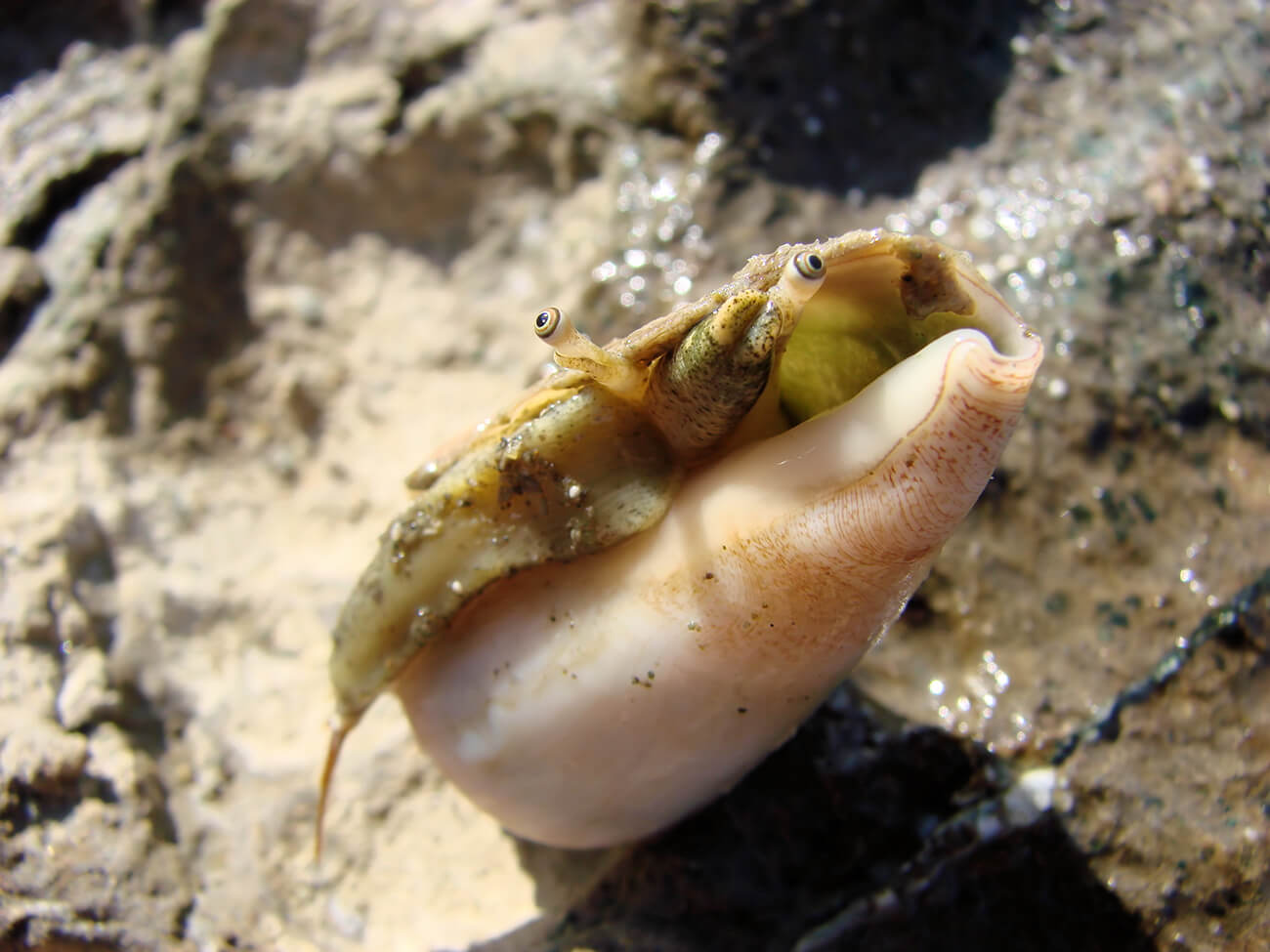
For example, look at the cone snail (Cone Snail Venom) that lives in the Red Sea and looks—sorry—like a parody of sea life: a two-eyed cone on an extension cord. It produces such a potent venom that a synthetic analogue is already approved for treating intractable pain. Or the soft coral called Sarcophyton glaucum—soft as can be, but it produces a substance called sarcophine, already tested in research as preventive chemotherapy thanks to its ability to inhibit cancerous growths. Sarcophine is also anti-inflammatory and antibacterial—in short, a mini-pharmacy in a single coral, and these are only two examples from the Red Sea.
You already get the principle: reef health is critical to human health.
Dancing with the stars
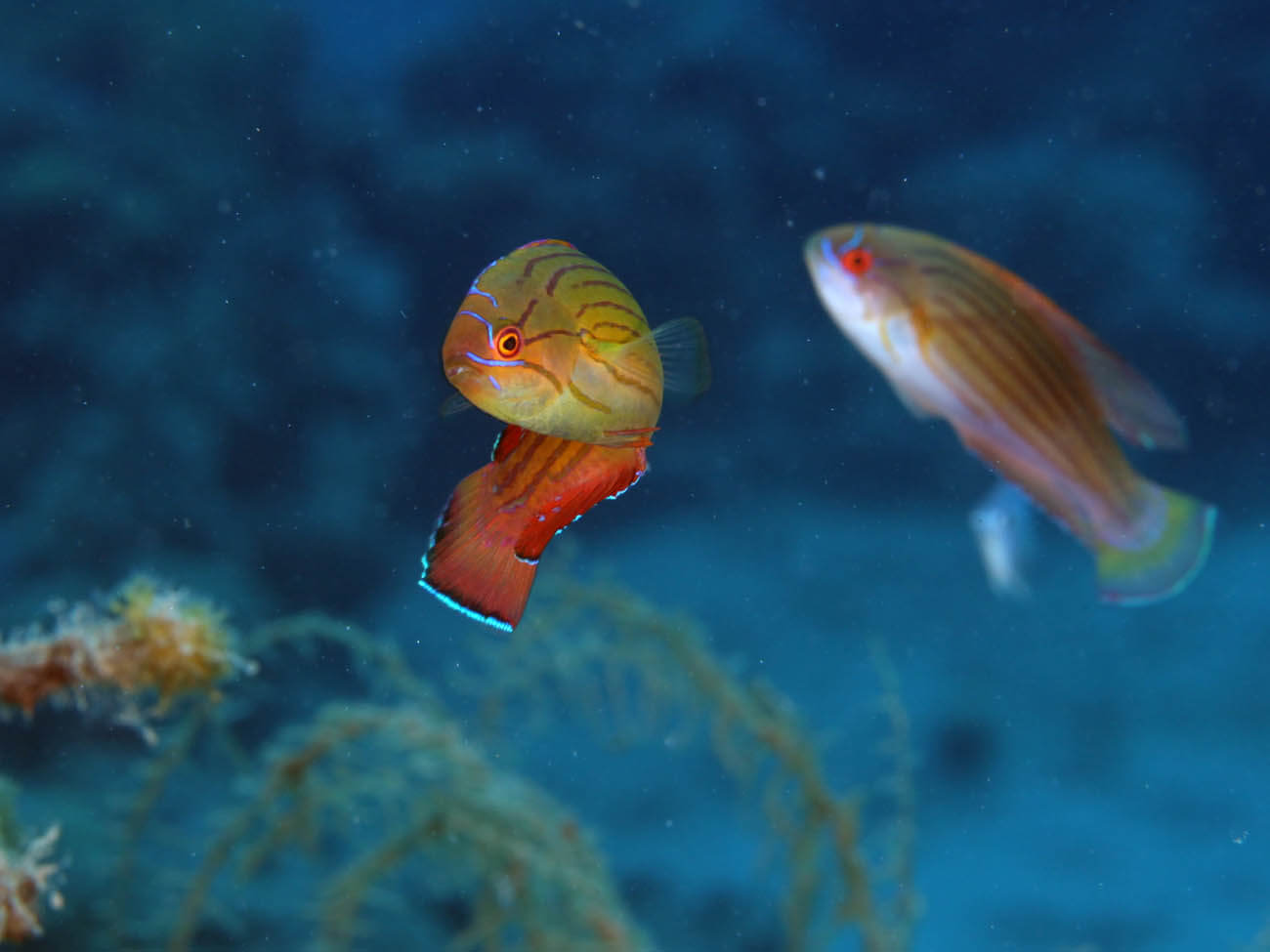
Such a pharmacy, an employment bureau, a wave-breaking army, and the other services the coral reef system graciously provides us also exist here in Israel. Yes, yes—the world's largest and most famous coral reefs have a compact local sister that surprises us every time: the Eilat coral reef. It displays a variety of species and biological richness that don't match its small size at all. You can find more than 150 species of stony corals—reef-building corals—hundreds of species of fish and mollusks, sea turtles, dolphins and sea urchins, and mostly starfish. The crown jewel of the reefs of the Gulf of Eilat and the Red Sea is the rate of endemism—that is, species you won't find anywhere else in the world except here. For example, come see the dancer on the platform, the one in orange with bright stripes. The male threadfin anthias puts on a wild courtship display on the coral reef, wins applause from the females and manages to produce offspring—and only here in the Red Sea!
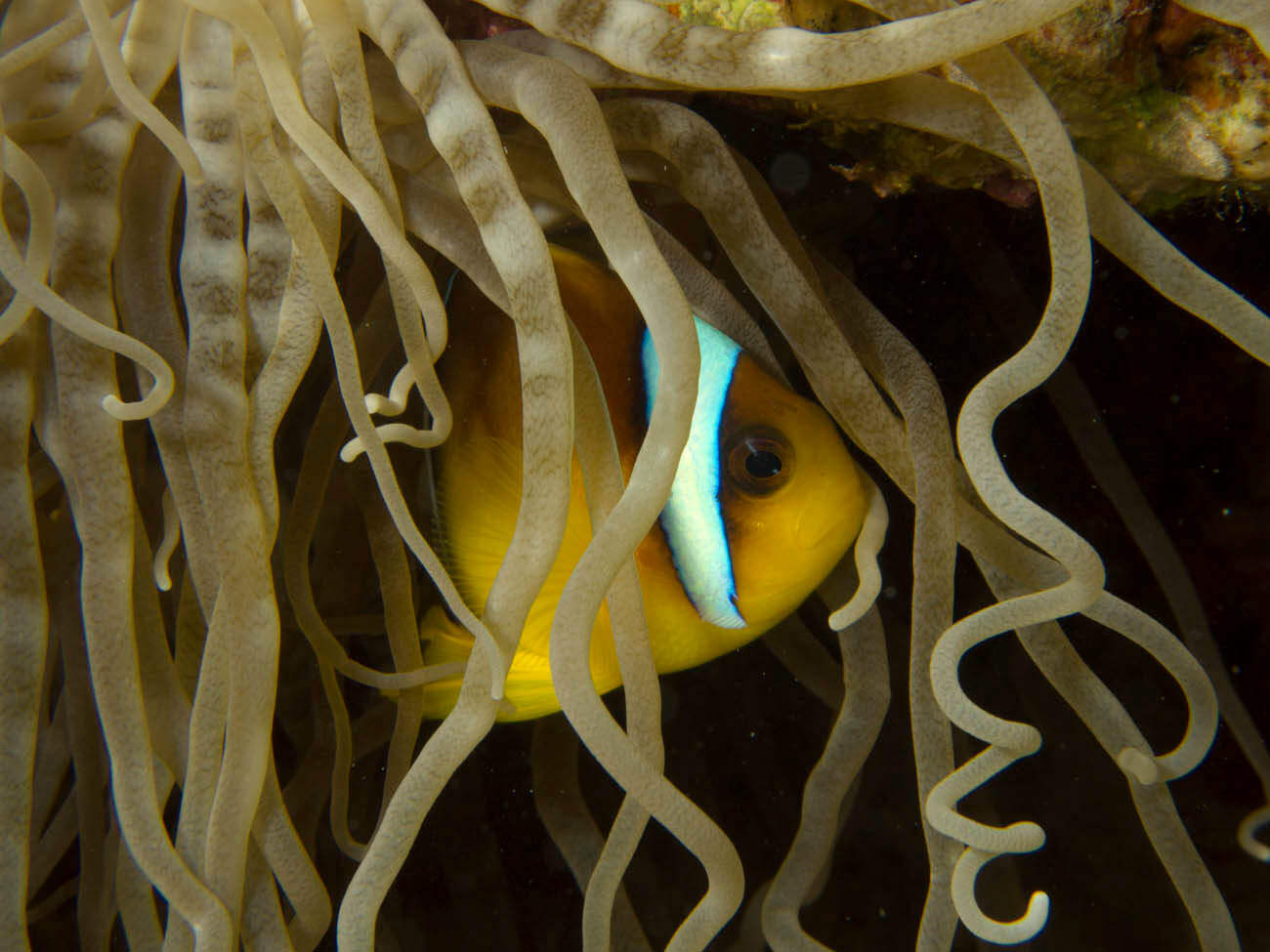
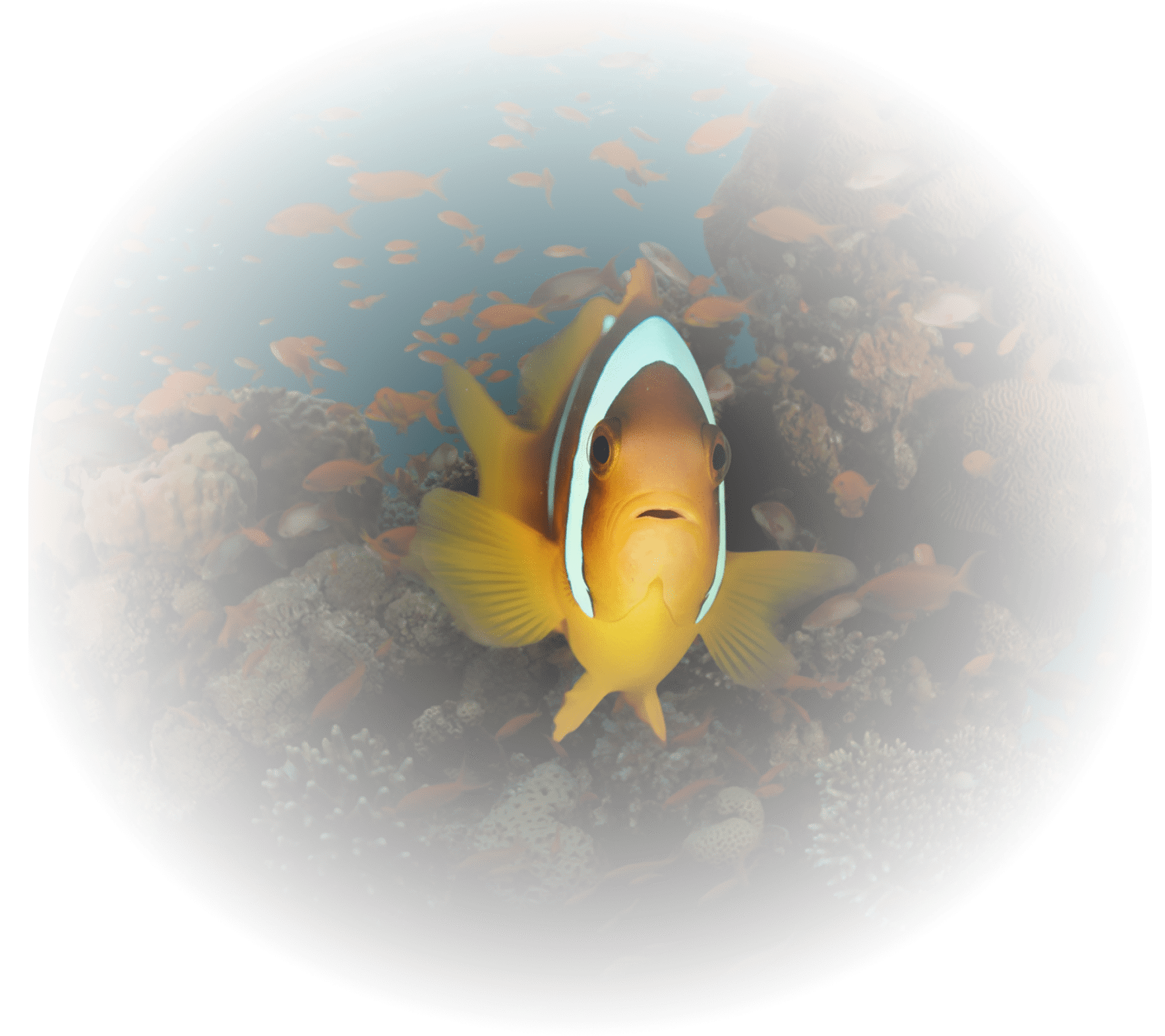
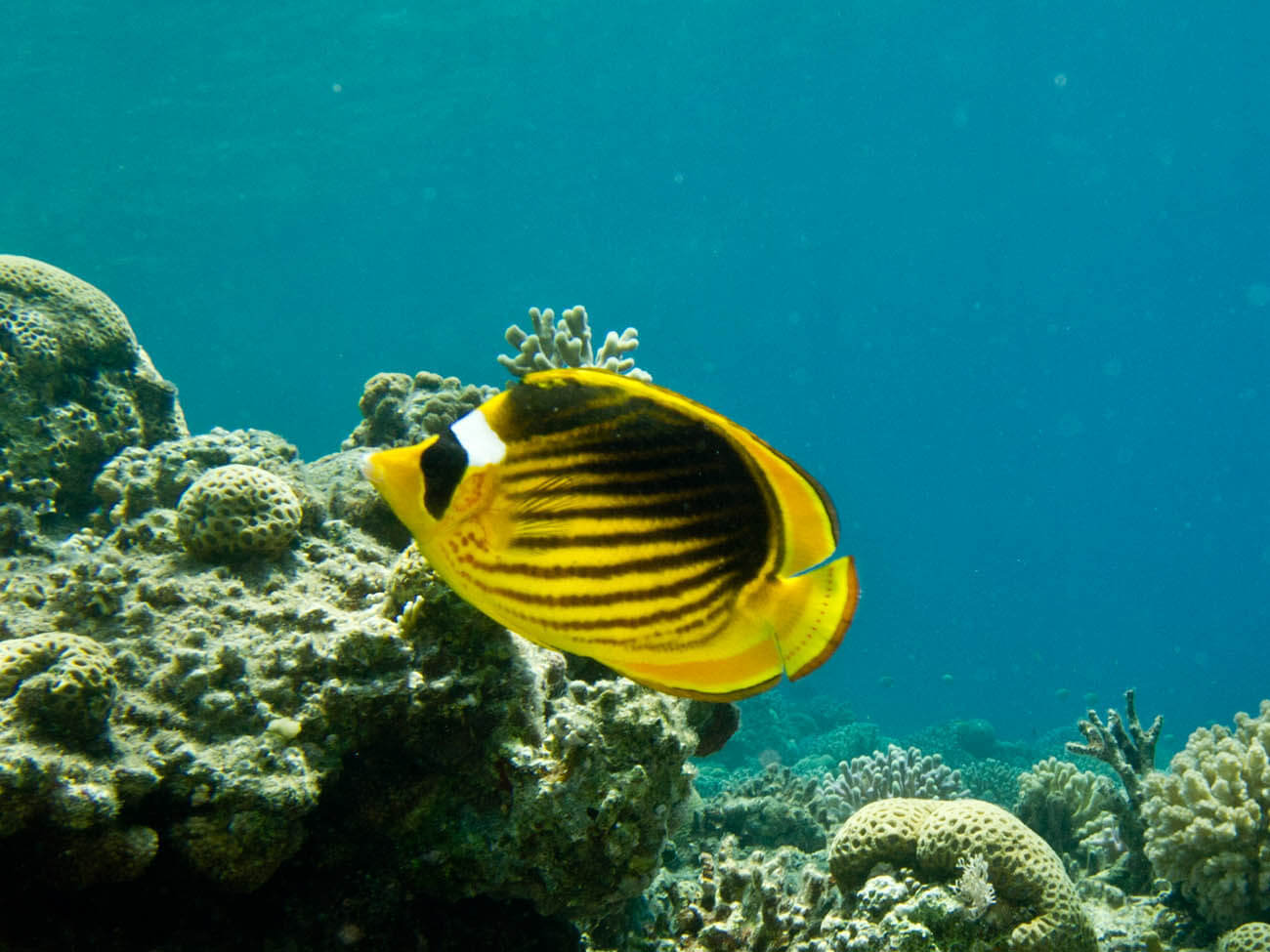
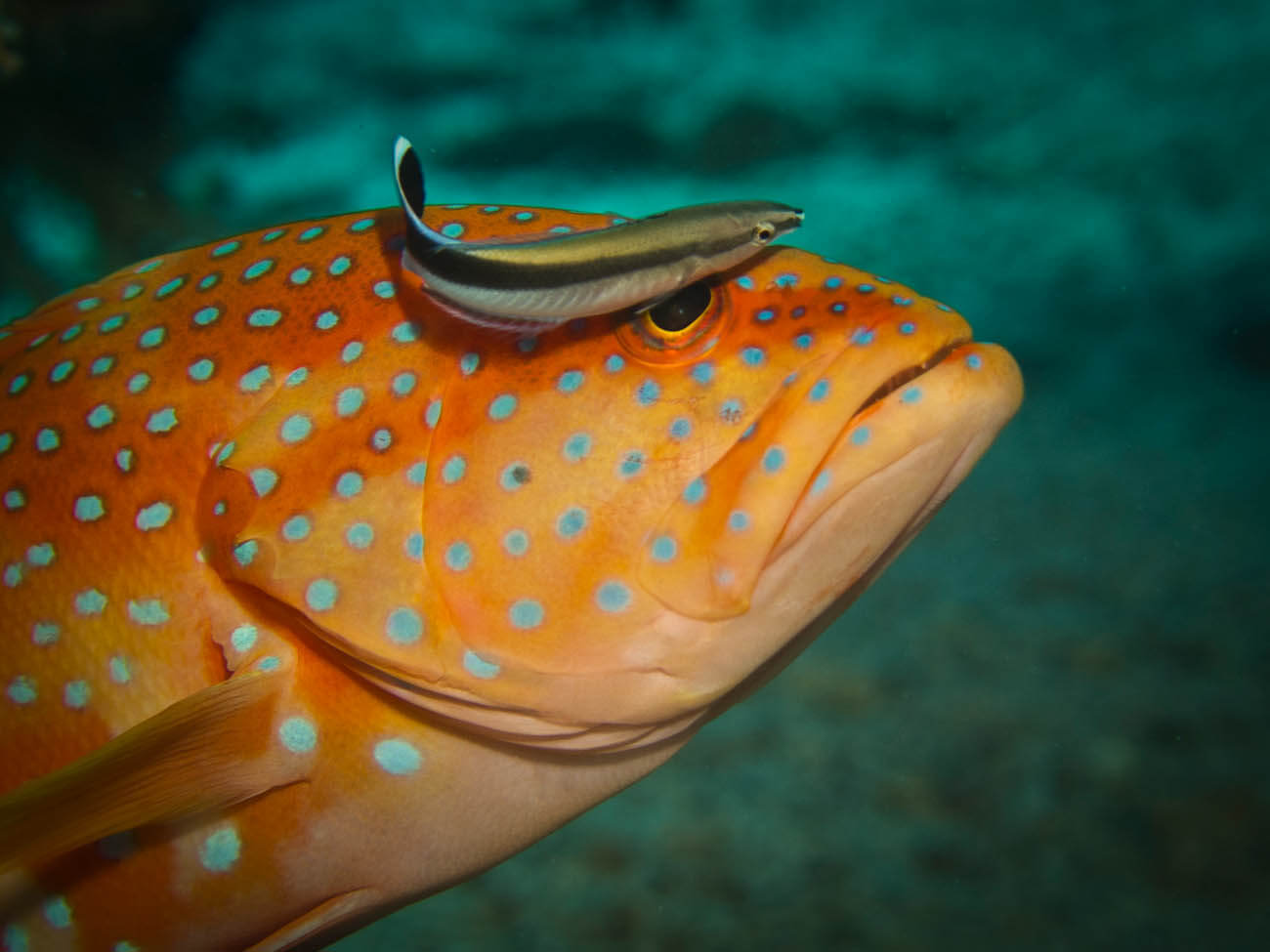
It's a happy place on the reef—look who's peeking out from between the sea anemone's tentacles: Nemo, our own Nemo! The Red Sea clownfish, icon of Eilat Bay's reef, or as we call it the "clownfish," with its clownish stripes and excellent humor—there's nothing like it. The clownfish, beloved by divers and photographers, maintains a symbiotic relationship with the sea anemone. She keeps a respectable fleet of stinging tentacles against predators and gives him a home and protection. He—immune to the toxic compounds she produces—lives with her, cleans her, and keeps up her personal hygiene so no invertebrate gets stuck between her teeth. But with all due respect—you said cleaning? You meant the Eilat cleaner. The cleaner—the fish and the stripe that became a brand—runs a successful chain of cleaning stations on the coral reef. It offers to remove parasites and dead skin from other fish and provides a vital service to the health of its neighbors on the reef. It isn't afraid to tussle with neighborhood bullies, like a red spinefish. In return, the cleaner gets protection for free. And here on your left swims the fashion-forward white-fronted butterflyfish—look at the look: yellow with touches of brown stripes, a white forehead because the name demands it—but why nibble on coral, why?
Do you like the neighbors? Looking for a place to rent? The coral reef is layers upon layers of complexity, and in every niche, small or large, someone finds a home. Those red sponges smeared on the coral down there—see them? They took over pricey real estate and dismantled it—no wonder they're called "demolition drillers." The spaces they create provide affordable housing for small marine creatures. You could do worse than a kibbutz at half the price.
There really isn't a dull moment here: the coral reef is a bustling underwater kibbutz, full of buildings and courtyards, members of every kind, hard work and shared life. And just like the cleaners, kibbutz members welcome with open arms neighbors from the open sea who come to start a family or get routine maintenance. Assi's story won't be told here.
The Freemasons
Our underwater kibbutz in the Red Sea was founded about 10,000 years ago. The founding fathers—the corals that build the reef—sought warm water first and foremost. That's how it is: corals don't like the cold—below 18°C they leave the field to competitors—so we usually meet them in warm, pleasant tropical seas. In that respect the corals of Eilat's reefs bent the rules: the Eilat reef sits slightly north of Earth's tropical belt, so it is one of the northernmost reefs in the world, with cooler water. Another necessary condition for a coral-reef kibbutz is light, and light means shallow, clear water that lets the sun's rays through. The unique clarity of the water here in Eilat is tied to its special location: Eilat Bay's reef lies in a very arid desert region, with no streams or rivers flowing into the sea. When there are no running streams, there are no nutrients—no chemical compounds that feed living things and ride along with the water. What's wrong with nutrients, you ask? The Red Sea is called a "blue desert"—a sea poor in nutrients—and corals really don't want excess: too many nutrients can cloud reef water and let algae thrive and hide the sun they need. So thanks to the arid desert we have clear water, and thanks to clear water we have a coral reef.
Why do the pioneers need light so badly? Because light supplies the "stone corals"—the reef-building corals—with most of the energy they need. Light lets each of them be an independent limestone factory. Once a coral has chosen its plot—the right place to live—it secretes limestone that cements it to the substrate and lays the cornerstone for the giant rock structure it will build. Now, such construction takes energy. Ninety percent of the food the coral consumes comes from its private dining room, run with an iron hand by the cooperative algae, the zooxanthellae. Millions of them cluster on every square centimeter of coral tissue and put them to work—go tell the lazy algae. From the cooperative algae's point of view—no light, no food. Why? Because they and their tiny sisters cook carbohydrates for the coral and produce oxygen through photosynthesis—so light is essential for the job. When there's light, there's food, and when there's food, the coral has energy to power the family construction business.
What does the algae get from the partnership? The cooperative algae enjoy a roof and protective services under the coral's guard. In short: win-win. With the gourmet meals it receives and the reasonable price it pays, it grows and grows, never stops producing limestone and building another floor, and the tower reaches high toward the light. By the way, the coral isn't satisfied with the zooxanthellae's products alone—in the evening Bob the Builder goes out to hunt dinner: plankton. It has no legs, but it has a mouth and hunting tentacles with stinging cells that it pulls from its overalls.
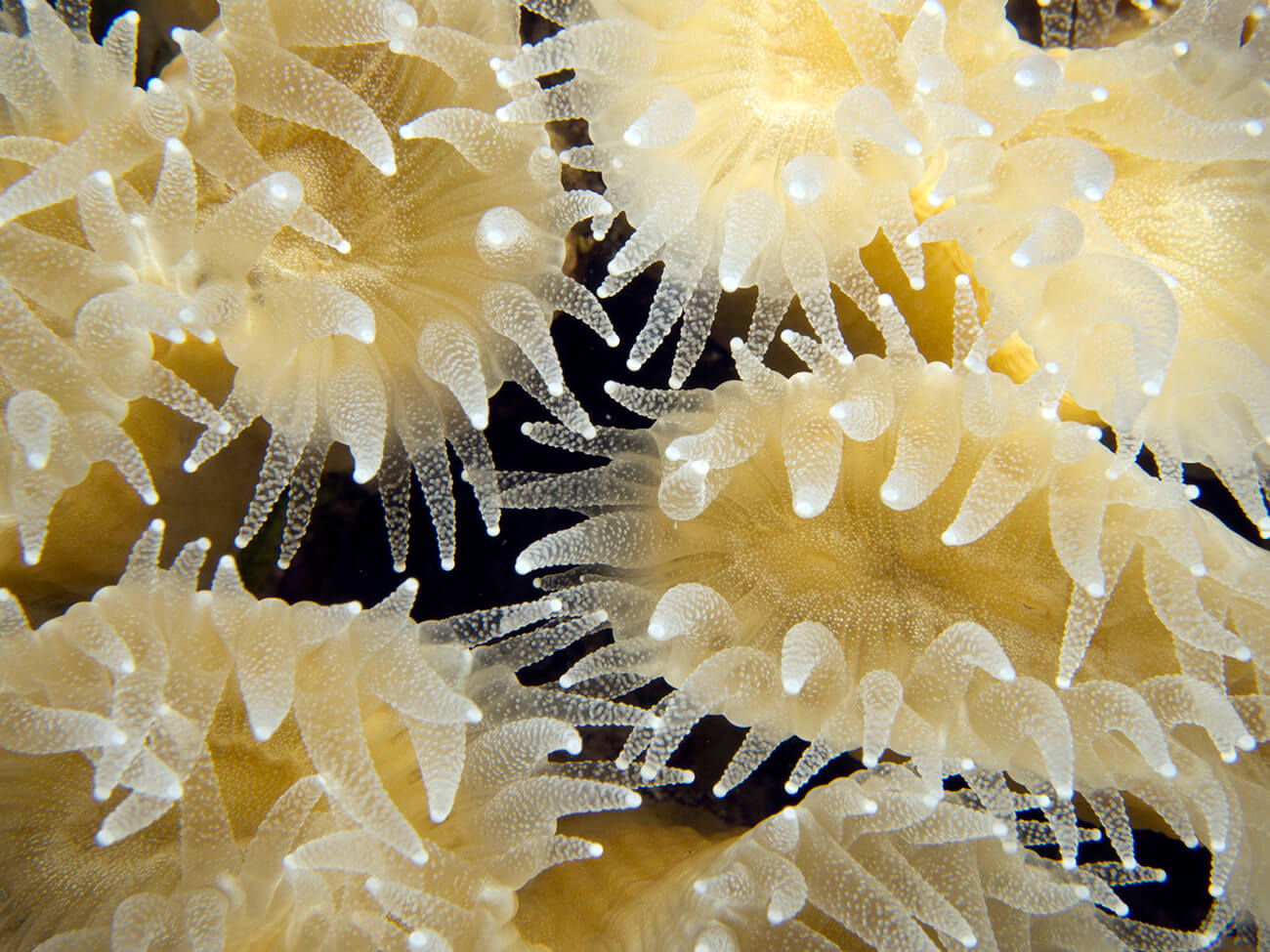
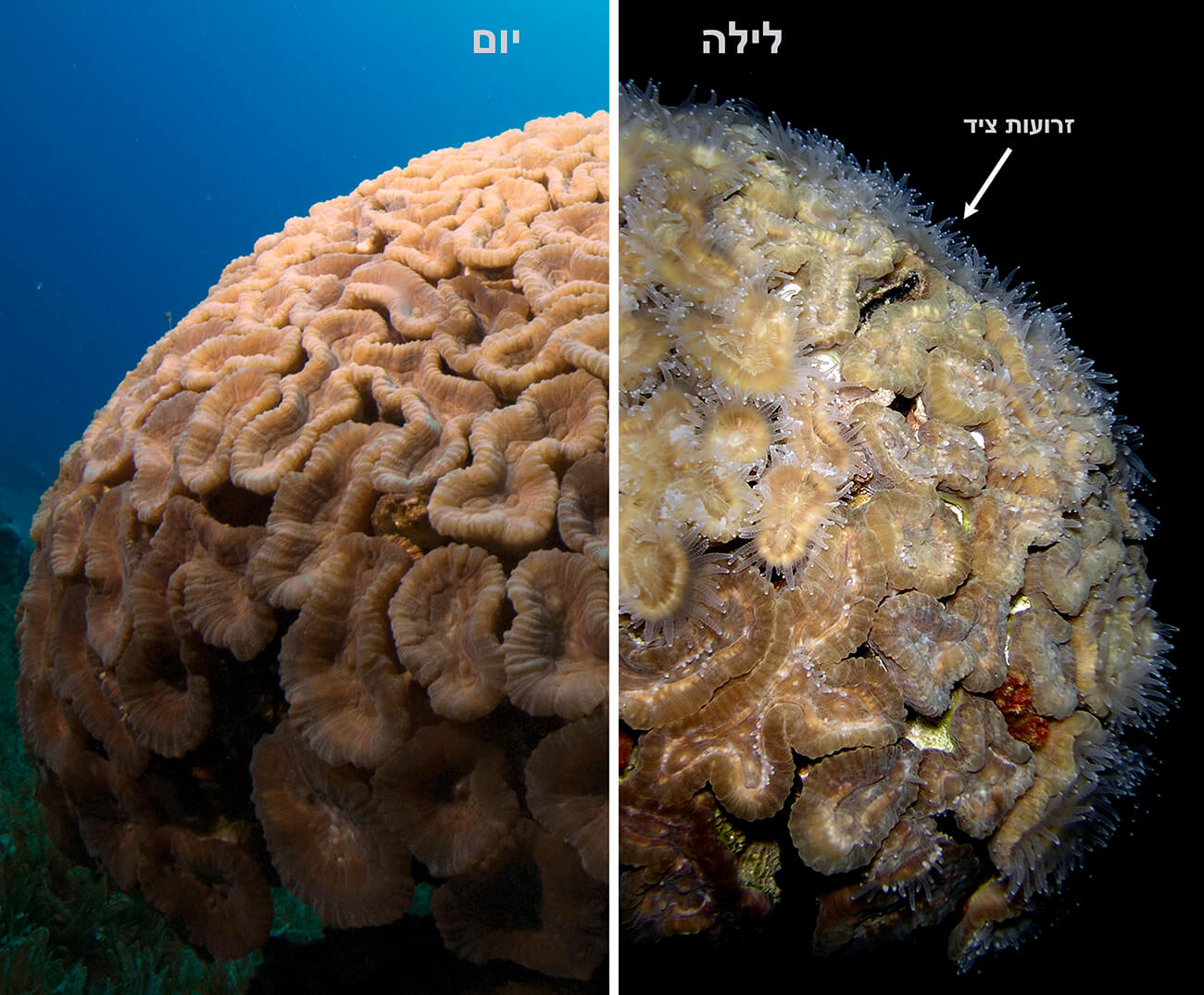
When did the rest of the kibbutz members join? Each polyp built its villa until it became a large, solid stone structure, and many marine creatures gather around it. About 200 species of coral came to settle in Eilat's sunlit kibbutz; the kitchen staff joined too, of course—the builder walks on his stomach—and the multitude of fish, sponges, sea urchins, and creatures that power kibbutz life, running a social dynamic that wouldn't shame the bustling underwater cities in other oceans. The kibbutz keeps getting crowded; for thousands of years the stone villas the corals created have grown, and with them the variety of reef dwellers—and the sight? Spectacular! Hats off to the landscaping.
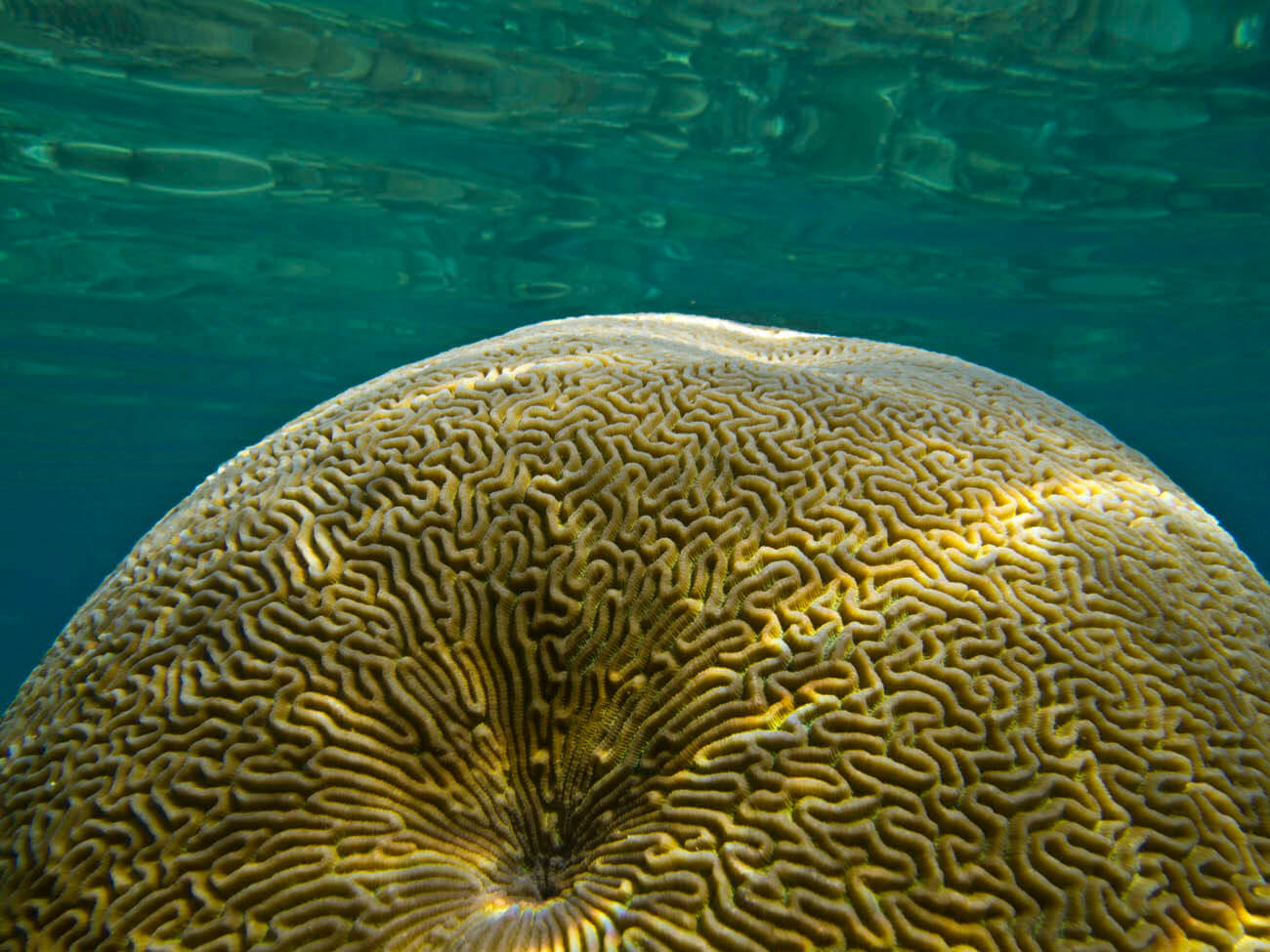
The southern city and the northern reef
Eilat's vibrant coral reefs draw tourists and nature lovers from Israel and the world. Divers and snorkelers will tell you they're not only colorful and rich—first and foremost they're accessible: you can reach the underwater kibbutz on foot, no yellow gate, golf cart, or boat required. Researchers at the Interuniversity Institute for Marine Sciences in Eilat who hit a reef question during the day can slip on a wetsuit, jump in the sea, and get the data they need—not something you can do on the Great Barrier Reef. The one who reaps the fruits of that accessibility and the magic of the northernmost reef is Israel's southern city. Eilat is the only place in Israel where we can see coral reefs; its reefs drive diving and snorkeling tourism and power the local economy with hotels, restaurants, shops, and activities. An early study that asked what our local Eilat reef is "worth" put the figure at 312 million NIS a year—but researchers and critics alike said that was an underestimate and the real number is far higher. Eilat has joined lists of the world's most beautiful gulf cities, strengthening its status as a favorite holiday destination—but it has character too: a land city above—and an underwater kibbutz below.
In recent decades the reefs of the Gulf of Eilat have shown a hidden talent we didn't know they had: resilience. In recent years coral reefs worldwide have faced severe mass eviction: the zooxanthellae—the cooperative algae—are leaving. They leave with their pigments, and the coral stays pale and colorless—hence "bleaching." It's not about color—it's life and death: the coral stresses, its food and energy suppliers are kicked out of the house, and if they don't return in time it will slowly waste away and die. On reefs in Australia, the Caribbean, and Florida the outlook is grim—kilometer after kilometer of white hints at the death of large sections of coral reef. Forecasts are very bleak—a 90 percent loss of the world's coral reefs is expected, even in the rosier scenarios. Behind the severe die-offs threatening most of the world's reefs stands climate change: one or two degrees above usual sea temperature and the system goes into crisis. Imagine yourself with another degree and a half on the thermometer—you can understand the coral. The good news: so far the corals of the Gulf of Eilat have shown surprising, exceptional resilience in the face of threats. The Red Sea's unique geological and climatic history means corals in its north tolerate high temperatures better than corals elsewhere. With much of the world's famous coral reefs already in ruins, the local kibbutz may be a global refuge for corals. The bad news is that these promising reefs face a blue-and-white list of threats: substances that shouldn't be in the water and are being pumped in, a problematic oil pipeline with plans to increase the volume flowing through it, assorted pollution—including light and sound pollution—and more besides. There's no other way to say it: we're destroying the reefs with our own hands and materials. We need to grasp that we have a historic window of opportunity: if we remove the host of local disturbances from the reefs of the northern Gulf of Eilat, they could become the largest refuge for coral reefs in the world.
So what can we do?
On a personal level: follow sound diving rules that don't endanger or disturb marine life, respect fishing rules, keep beaches clean—and broadly: stop disturbing the reefs and the sea. Code of conduct
On a public level: an international task force—including leading Israeli researchers—called on UNESCO to declare the Red Sea coral reef a World Heritage Site. Meanwhile the State of Israel has a duty toward this immense natural resource. Large-scale development is expected as Eilat grows, and we must fold marine and coastal conservation into planning from the outset—and above all expand the share of nature reserves in the Gulf of Eilat without delay. Let's keep our magnificent underwater kibbutz movement on the map.
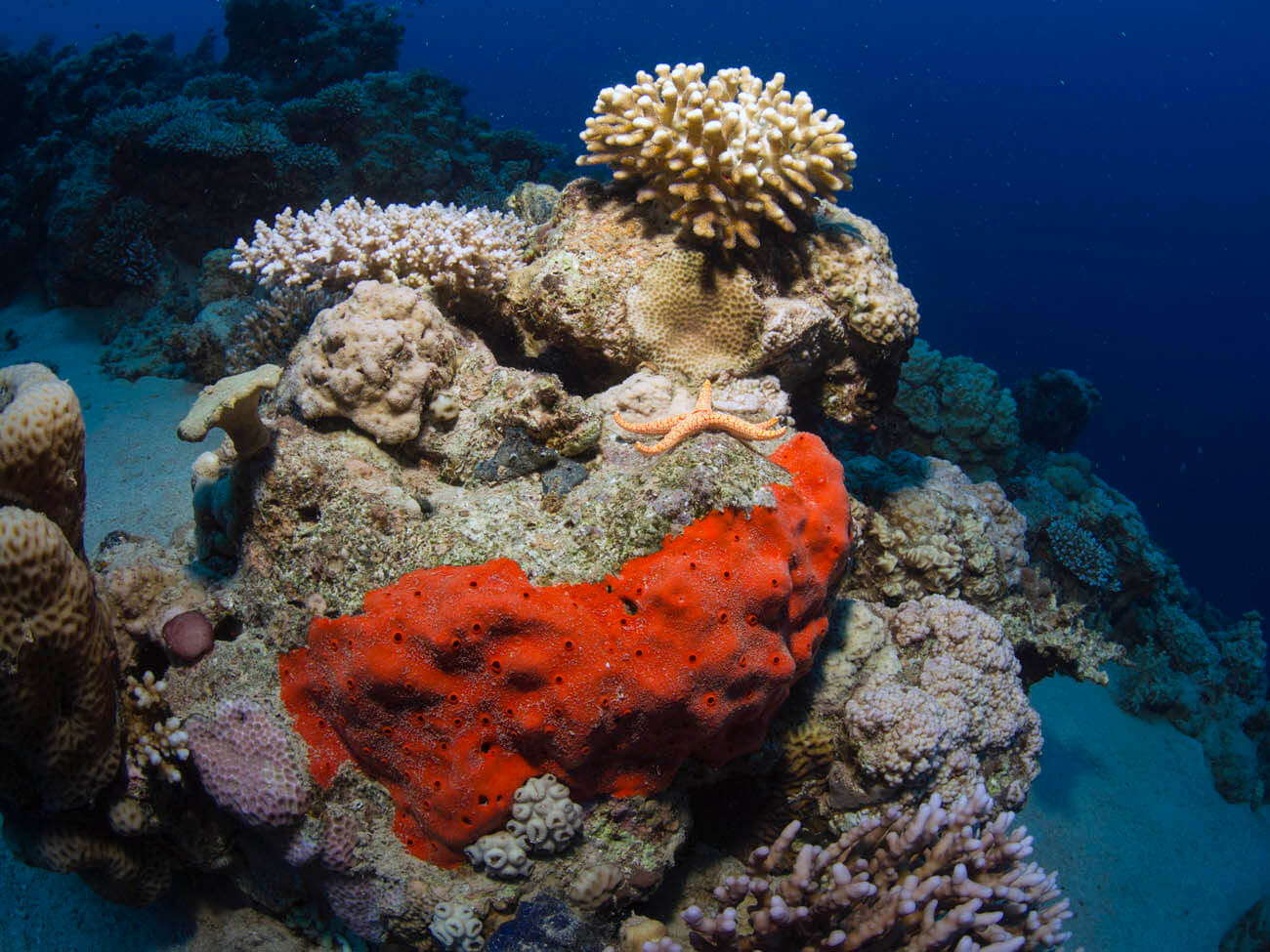
For further reading

On the tremendous services that coral reefs provide to humans
Natural materials and their potentially crucial contribution to human health:
Bioactive Hydroperoxyl Cembranoids from the Red Sea Soft Coral Sarcophyton glaucumCone Snail Venom is a Wellspring of Untapped Potential for Chronic Pain Treatment | Discover MagazineMapping, characterizing, and quantifying the benefits of coral reefs
https://www.sciencedirect.com/science/article/pii/S0048969724053877https://www.sciencedirect.com/science/article/pii/S2212041623000384On the resilience potential of the corals of the Gulf of Eilat and the shelter they may serve against climate change
The buds of spring in the Gulf of Eilat
הלבנת אלמוגים במפרץ אילת – שוניות על סף נקודת מפנה? - אקולוגיה וסביבהOn the impacts of human activity on corals
The impact of fuel and oil on coral reproduction
https://www.int-res.com/articles/meps/1/m001p077.pdfhttps://www.sciencedirect.com/science/article/pii/S0025326X00001399?casa_token=Q7K1UkOVzCEAAAAA:XgntrL-UsjZ6ab5fb8V_RiyjEEOXkLiSG1otsOZvhjFl23tK9O1aJ1I0UqHfUoaKH97XG0VAOn the effect of organic nutrient enrichment on corals
https://www.sciencedirect.com/science/article/pii/S0022098199001823?casa_token=JFWMv1T21dUAAAAA:vTwX-aq8LK3Q49X20BHeeGmCHl2WyZLLWly0EAej9zXLHRJJCAibxYM0RV-BLzjJgJ-qcwhHAbout potential damage from light pollution
https://elifesciences.org/articles/9991https://www.pnas.org/doi/abs/10.1073/pnas.2101985118
Next stop
The Mesophotic Reef
Discover the magnificent twilight zone, the natural continuation of the sunlit reef, where fascinating species live that have survived its challenges